
AM Procare · Hanoi
Dental Alliances
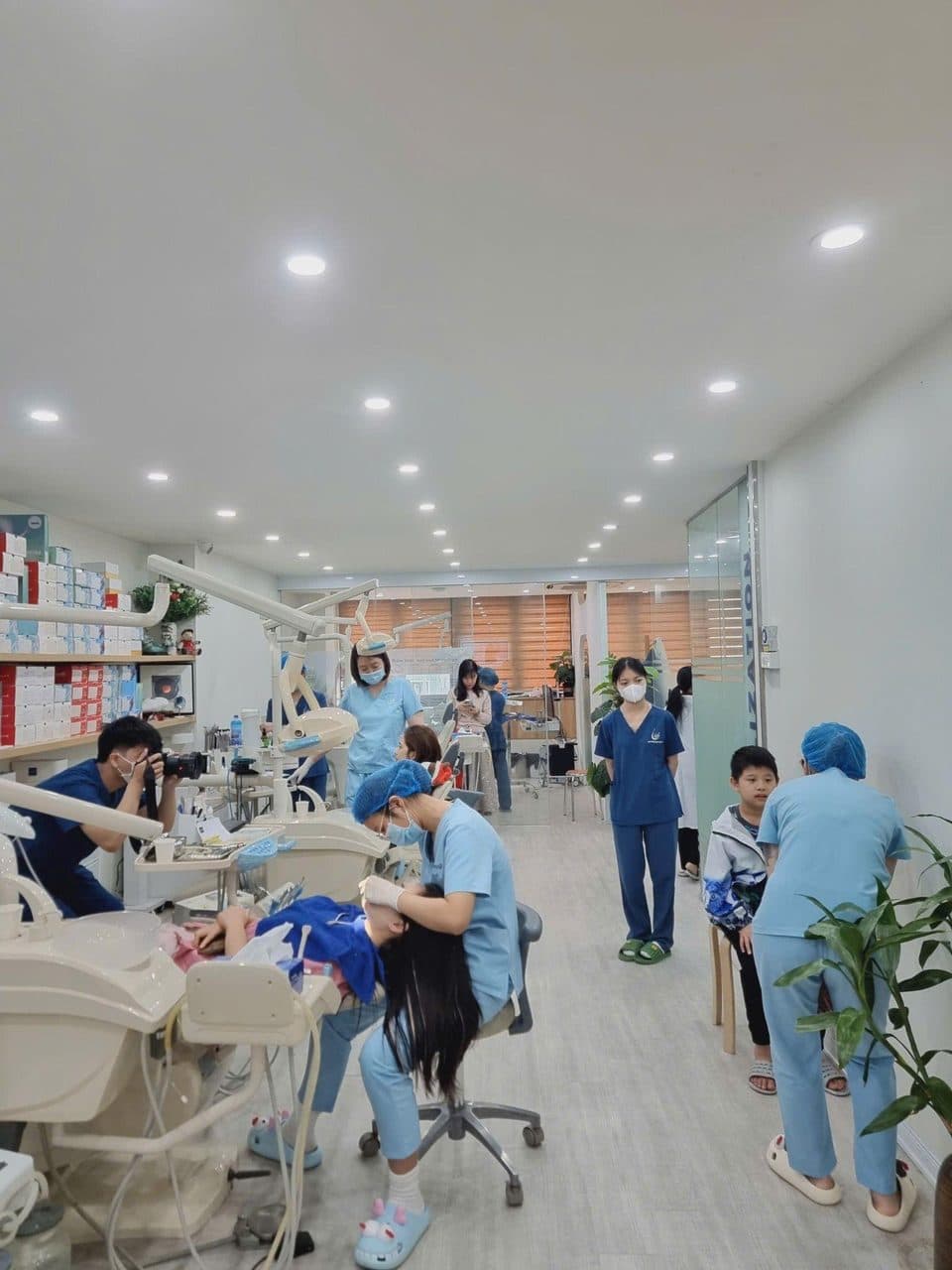
What Dental Alliances involves in practice
Career and corporate programmes are built around predictable scheduling and clear reporting for HR teams. Insurance sections emphasise documentation: what insurers typically need, what patients should bring, and how claims timelines differ by provider. Periodontal therapy is framed as inflammation control and maintenance, not a one-off “deep clean.” We explain pocket depths, bleeding on probing, and how home tools complement professional visits. For grafting or crown lengthening, we connect the surgical goal to the restorative plan so you understand why sequencing matters.
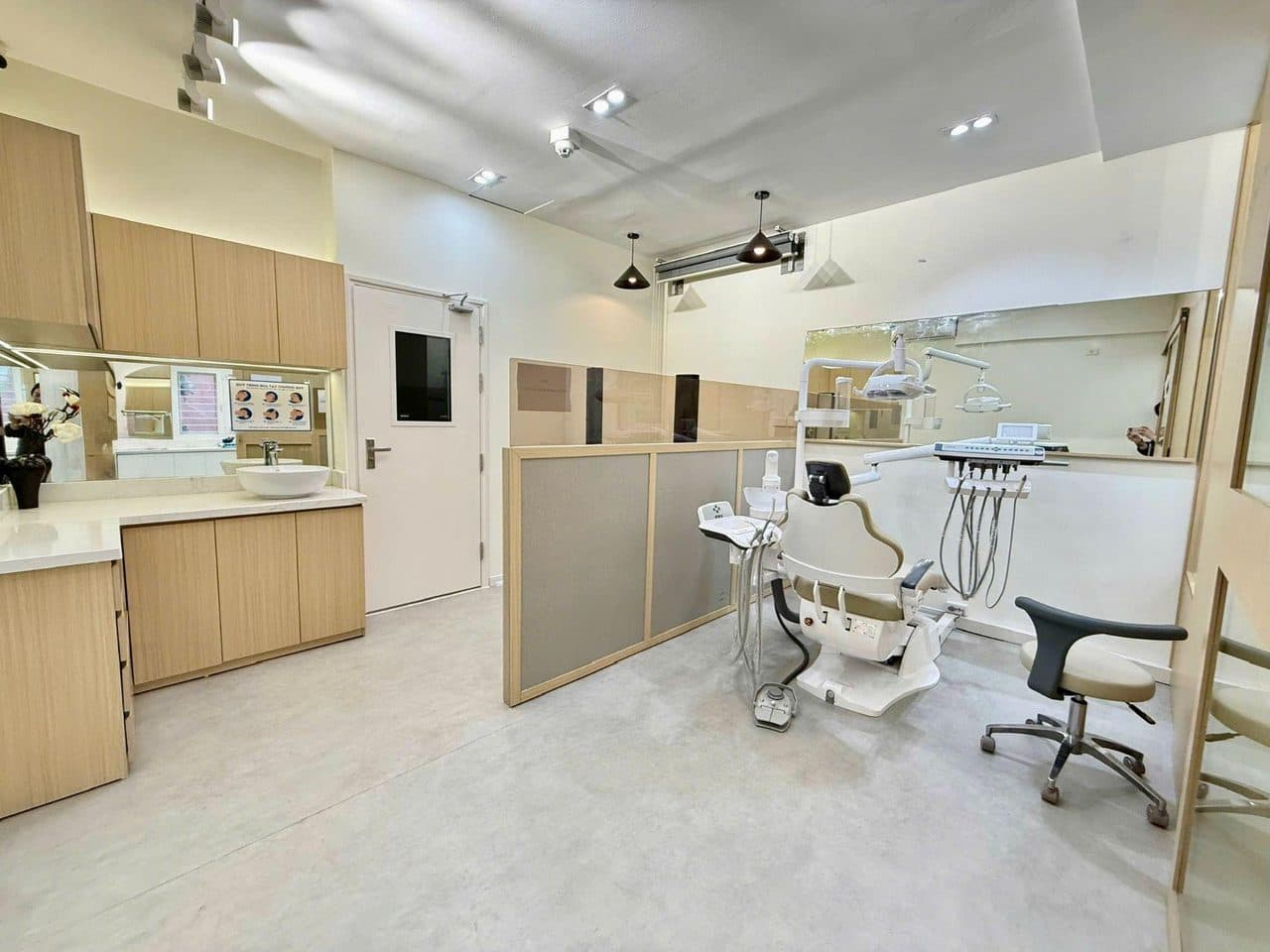
How we plan your visit and follow-up
Dental laboratory workflows matter for fit and aesthetics. We explain why some cases need try-ins, why shade selection is staged under controlled lighting, and why remakes occasionally happen when precision demands it. Patients who travel benefit from understanding which steps cannot be rushed without compromising quality. Veneer preparation philosophies range from minimal enamel reduction to more aggressive correction of position. We explain why ultra-thin options are not universal, how gingival architecture influences margins, and why provisional phases help patients adapt before finals are bonded.
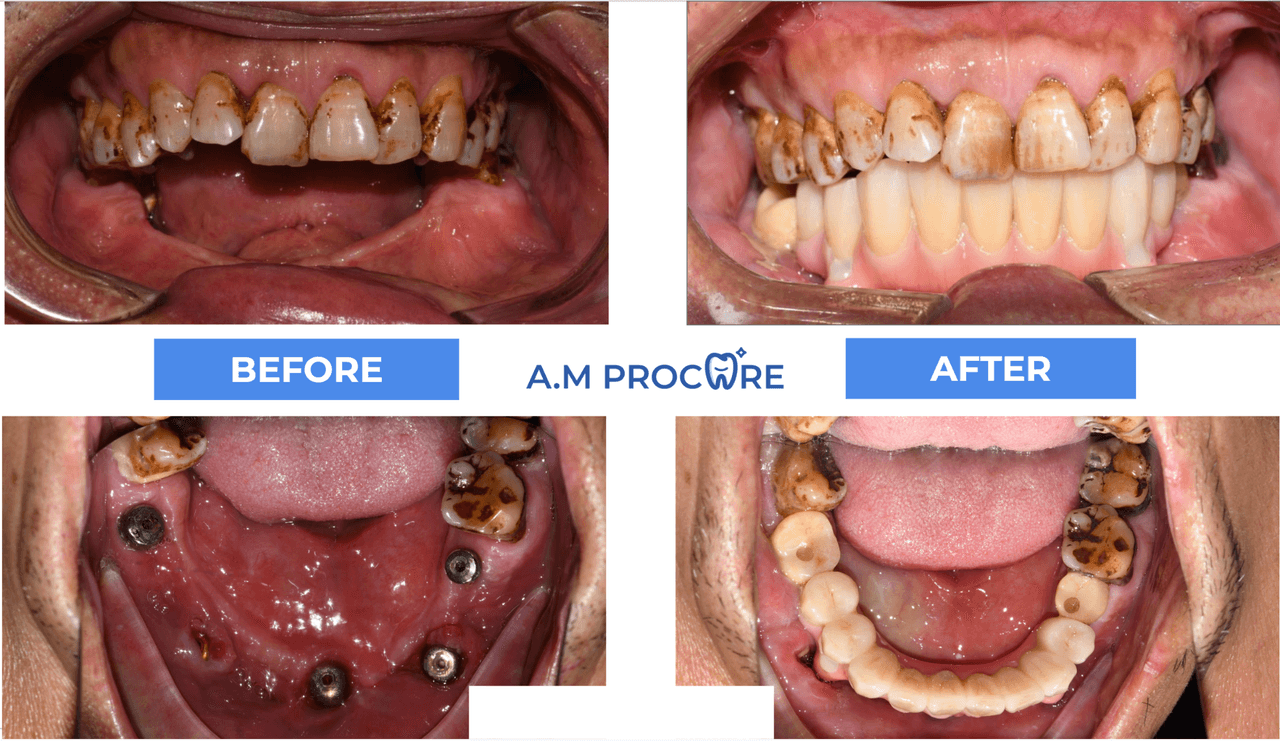
Safety, quality systems, and informed consent
X-ray selection follows justification principles: bitewings for interproximal decay risk assessment, periapicals for localized symptoms, panoramic views for broader screening, and CBCT when three-dimensional information changes surgical or implant planning. We discuss radiation exposure in context and why repeat imaging may be avoided when recent films exist. Digital smile design is positioned as a communication tool: facial references, proportions, and mock-ups guide discussion, but biology and lab feasibility still govern final plans. We avoid guaranteeing pixel-perfect outcomes without clinical try-in phases.
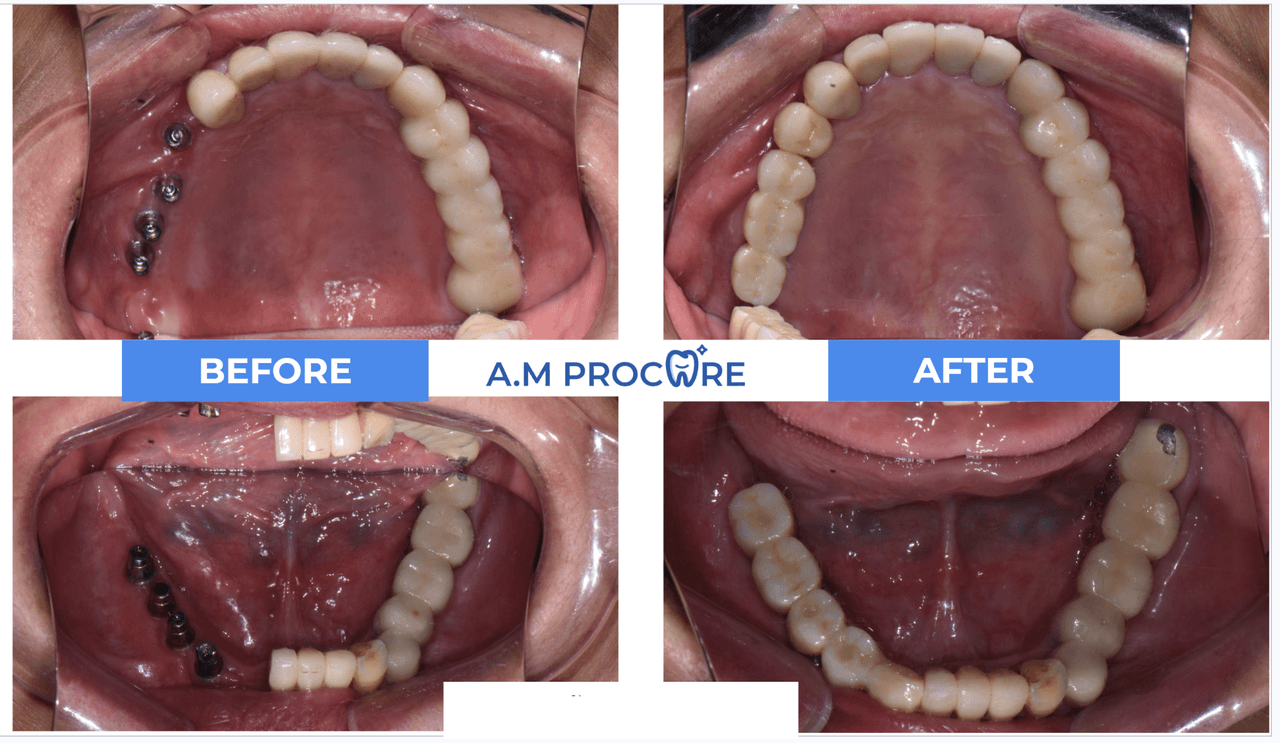
Why patients choose AM Procare in Hanoi
Children’s and teens’ dentistry, when within scope, is discussed with guardians using growth-aware language: fluoride varnish indications, sealant timing, and sports guard considerations. For adults, we focus on periodontal risk, restorative wear, and how systemic conditions such as diabetes can alter healing trajectories. Night guards and occlusal splints come up when wear facets, muscle tenderness, or morning headaches suggest parafunction. We differentiate night grinding from daytime clenching where possible, discuss material thickness and comfort trade-offs, and set expectations for adaptation in the first week. Follow-up adjusts the appliance plan if tenderness persists or if the bite shifts unexpectedly.
Ready to submit records or ask a specialist question?
Submit records