
AM Procare · Hanoi
Preventive Dentistry
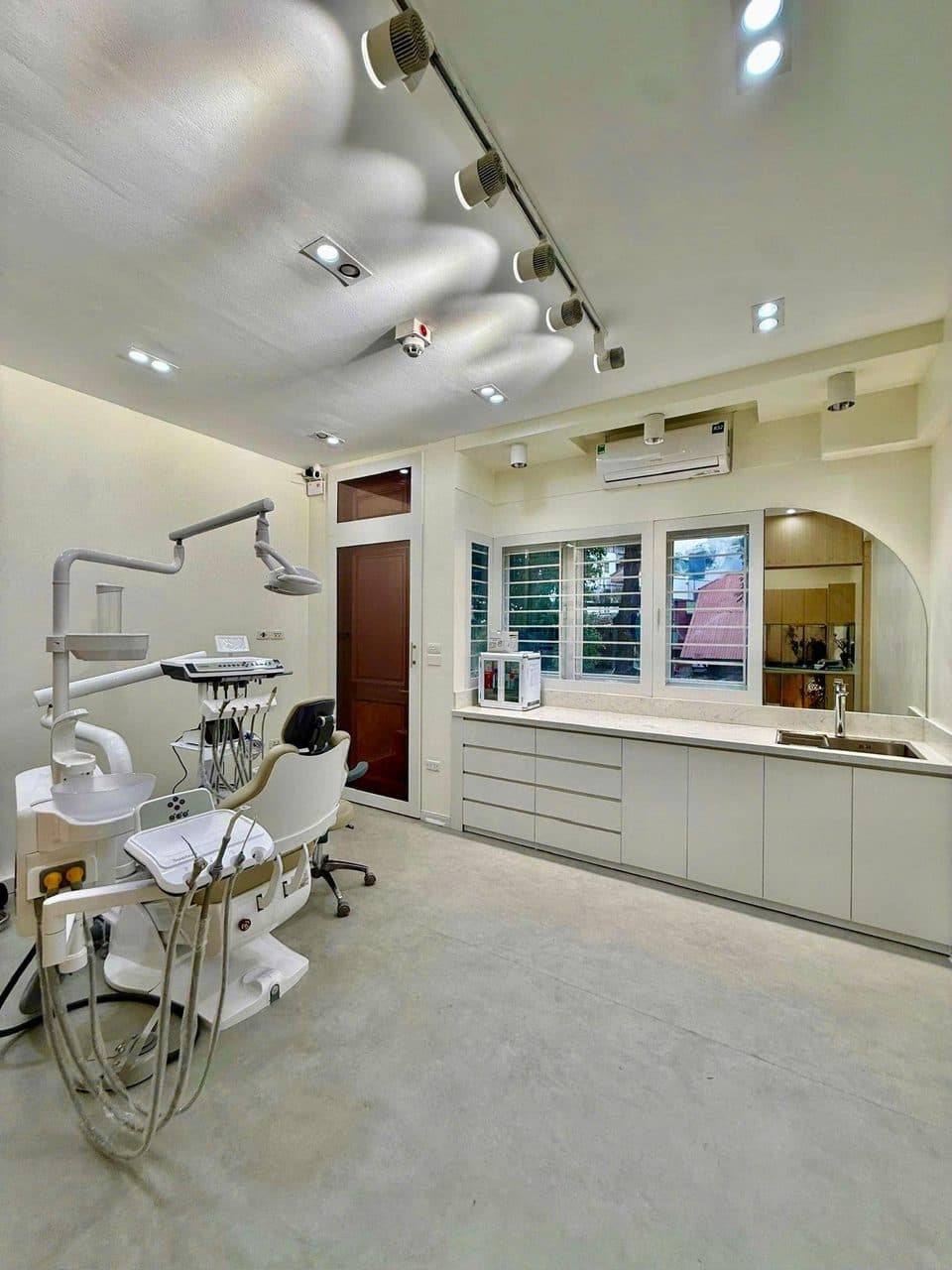
This page focuses on Preventive Dentistry at AM Procare in Hanoi, Vietnam. We explain how our clinicians approach assessment, planning, and follow-up for patients who expect transparent communication, evidence-based options, and staged care. Below you will find a practical overview of what typically matters before treatment starts, how visits are coordinated, and how we support both local patients and international guests travelling for dental care.
International patients receive practical logistics: how to share records securely, how to schedule compression visits, and how to plan accommodation near the branch you will attend. We emphasise realistic healing windows before you fly, especially after surgery or extensive restorative work, and we discuss emergency contact expectations across time zones when relevant.
Gallery and testimonial pages stress consent and authenticity. Clinical photography is shown to educate, not to shame, and before-and-after narratives include variability reminders because biology differs between individuals.
What Preventive Dentistry involves in practice
General dentistry remains the backbone of the practice: examinations that catch early lesions, conservative fillings when indicated, and periodontal therapy when inflammation threatens stability. We discuss fluoride protocols for high-risk patients, night guards when wear patterns suggest parafunction, and diet factors that matter as much as brushing technique for some individuals. Halitosis workups start with periodontal and tongue-coating causes before exotic systemic explanations. We coach on interdental cleaning tools and professional debridement before promising miracle rinses.
How we plan your visit and follow-up
Children’s and teens’ dentistry, when within scope, is discussed with guardians using growth-aware language: fluoride varnish indications, sealant timing, and sports guard considerations. For adults, we focus on periodontal risk, restorative wear, and how systemic conditions such as diabetes can alter healing trajectories. Prosthodontic options—bridges, dentures, and implant-supported restorations—are compared on dimensions patients actually feel: speech, chewing efficiency, bulk in the mouth, and cleaning routines. We discuss material trade-offs for metal frameworks versus zirconia or acrylic bases, and we set expectations for relines, repairs, and eventual replacement intervals.
Safety, quality systems, and informed consent
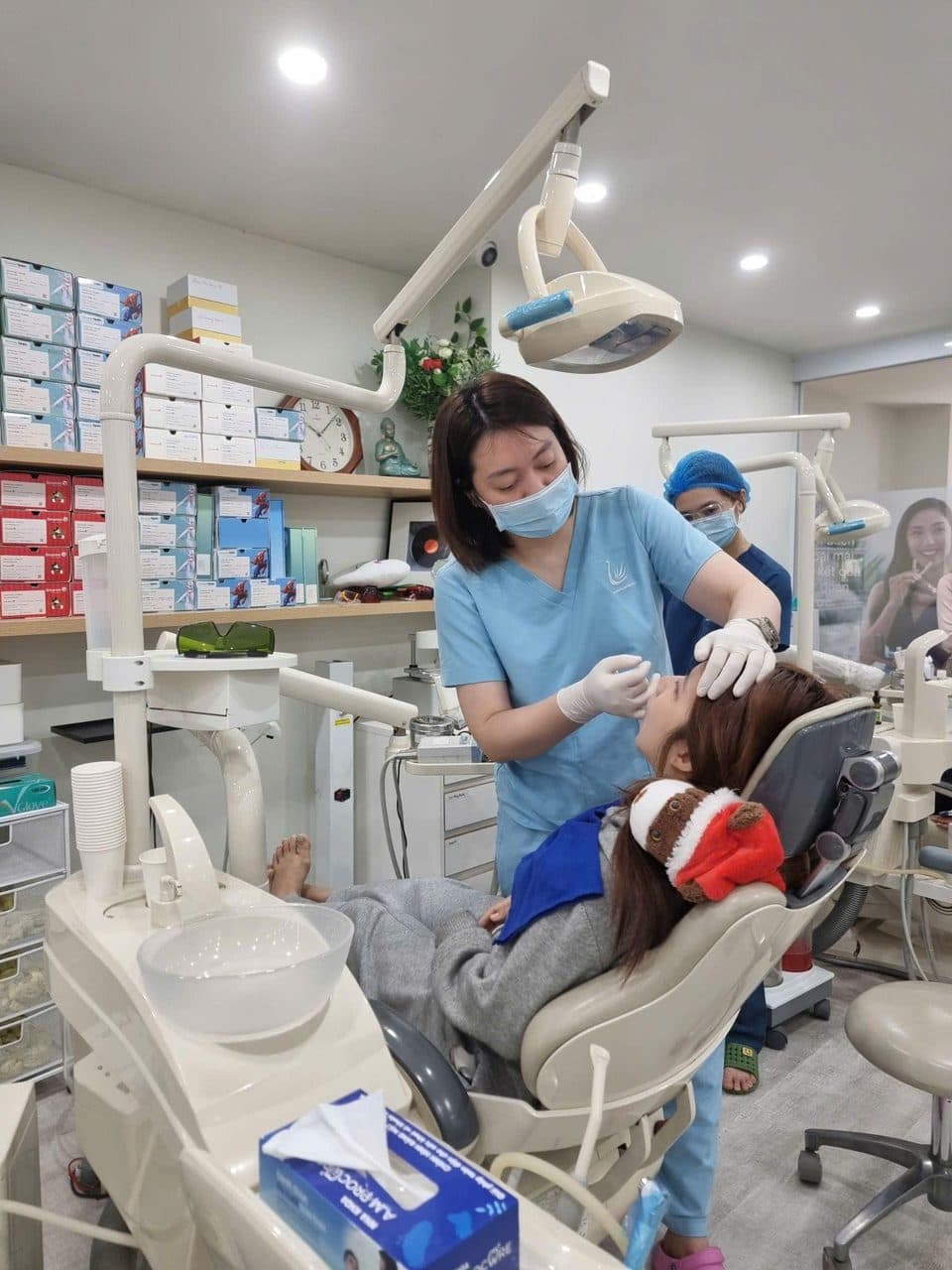
Safety is expressed through repeatable systems—sterilization monitoring, instrument traceability, and clear isolation during procedures that generate aerosols. We also think about medical history, medications, and bleeding risk as part of routine review, not as an afterthought. If you are anxious, tell us early; we can discuss pacing, local anaesthesia expectations, and what signals you can use during treatment if you need a pause. Bone grafting discussions include healing times, donor site morbidity for autogenous blocks, and why some grafts need membrane containment. We connect graft success to smoking cessation, diabetes control, and medication reviews where relevant.
Why patients choose AM Procare in Hanoi
Inlays and onlays preserve tooth structure compared with full crowns when remaining walls are strong. We compare ceramic versus composite materials for wear compatibility and repairability, especially in posterior teeth under load. Snoring appliances prescribed within dental scope require dental arch conditions suitable for protrusive devices. We explain side effects such as morning occlusal changes and why sleep tests may be prerequisite depending on jurisdiction and medical history.
Ready to submit records or ask a specialist question?
Submit records