
AM Procare · Hanoi
Prosthodontics
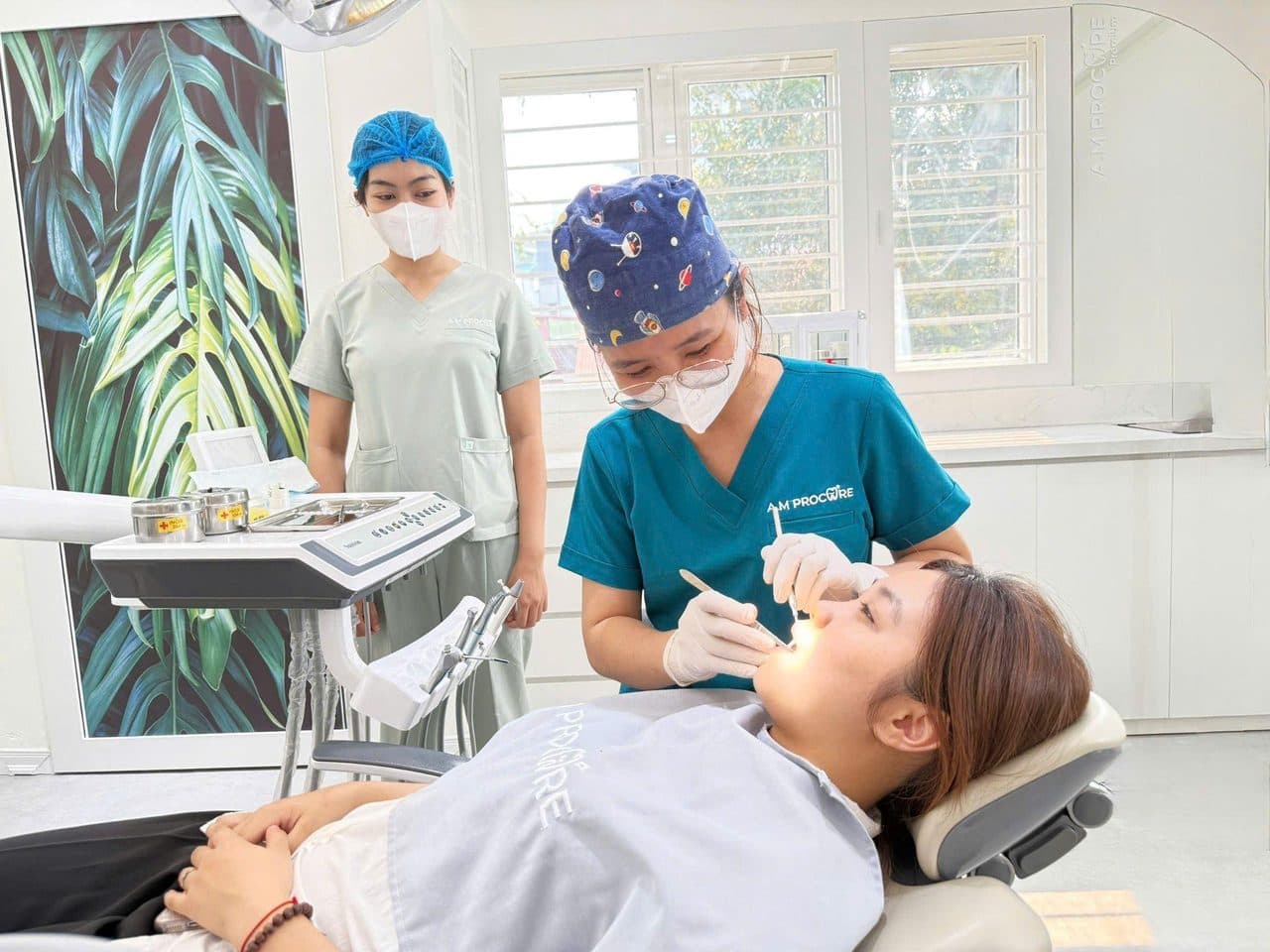
This page focuses on Prosthodontics at AM Procare in Hanoi, Vietnam. We explain how our clinicians approach assessment, planning, and follow-up for patients who expect transparent communication, evidence-based options, and staged care. Below you will find a practical overview of what typically matters before treatment starts, how visits are coordinated, and how we support both local patients and international guests travelling for dental care.
Dental laboratory workflows matter for fit and aesthetics. We explain why some cases need try-ins, why shade selection is staged under controlled lighting, and why remakes occasionally happen when precision demands it. Patients who travel benefit from understanding which steps cannot be rushed without compromising quality.
All-on-4 and full-arch concepts are described with prosthetic maintenance realism: hygiene access under bridges, scheduled recalls, and component wear. We resist one-number pricing narratives that ignore bone quality, final teeth material, and long-term servicing.
What Prosthodontics involves in practice
Implant dentistry is presented with honest anatomy talk: bone volume, soft-tissue profile, parafunctional habits, and maintenance burden. For full-arch strategies, we explain why a fixed bridge may differ from an overdenture in terms of hygiene access, comfort, and long-term servicing. If bone is limited, we discuss grafting or zygomatic options only when they genuinely match your goals and ability to attend follow-up. Gallery and testimonial pages stress consent and authenticity. Clinical photography is shown to educate, not to shame, and before-and-after narratives include variability reminders because biology differs between individuals.
How we plan your visit and follow-up
Night guards and occlusal splints come up when wear facets, muscle tenderness, or morning headaches suggest parafunction. We differentiate night grinding from daytime clenching where possible, discuss material thickness and comfort trade-offs, and set expectations for adaptation in the first week. Follow-up adjusts the appliance plan if tenderness persists or if the bite shifts unexpectedly. TMD complaints are triaged carefully: joint sounds alone are not always pathologic, but locking, limited opening, or acute trauma change urgency. We coordinate splints, physiotherapy referrals, or imaging when red flags appear rather than offering irreversible bite changes first.
Safety, quality systems, and informed consent
International patients receive practical logistics: how to share records securely, how to schedule compression visits, and how to plan accommodation near the branch you will attend. We emphasise realistic healing windows before you fly, especially after surgery or extensive restorative work, and we discuss emergency contact expectations across time zones when relevant. Prosthodontic options—bridges, dentures, and implant-supported restorations—are compared on dimensions patients actually feel: speech, chewing efficiency, bulk in the mouth, and cleaning routines. We discuss material trade-offs for metal frameworks versus zirconia or acrylic bases, and we set expectations for relines, repairs, and eventual replacement intervals.
Why patients choose AM Procare in Hanoi
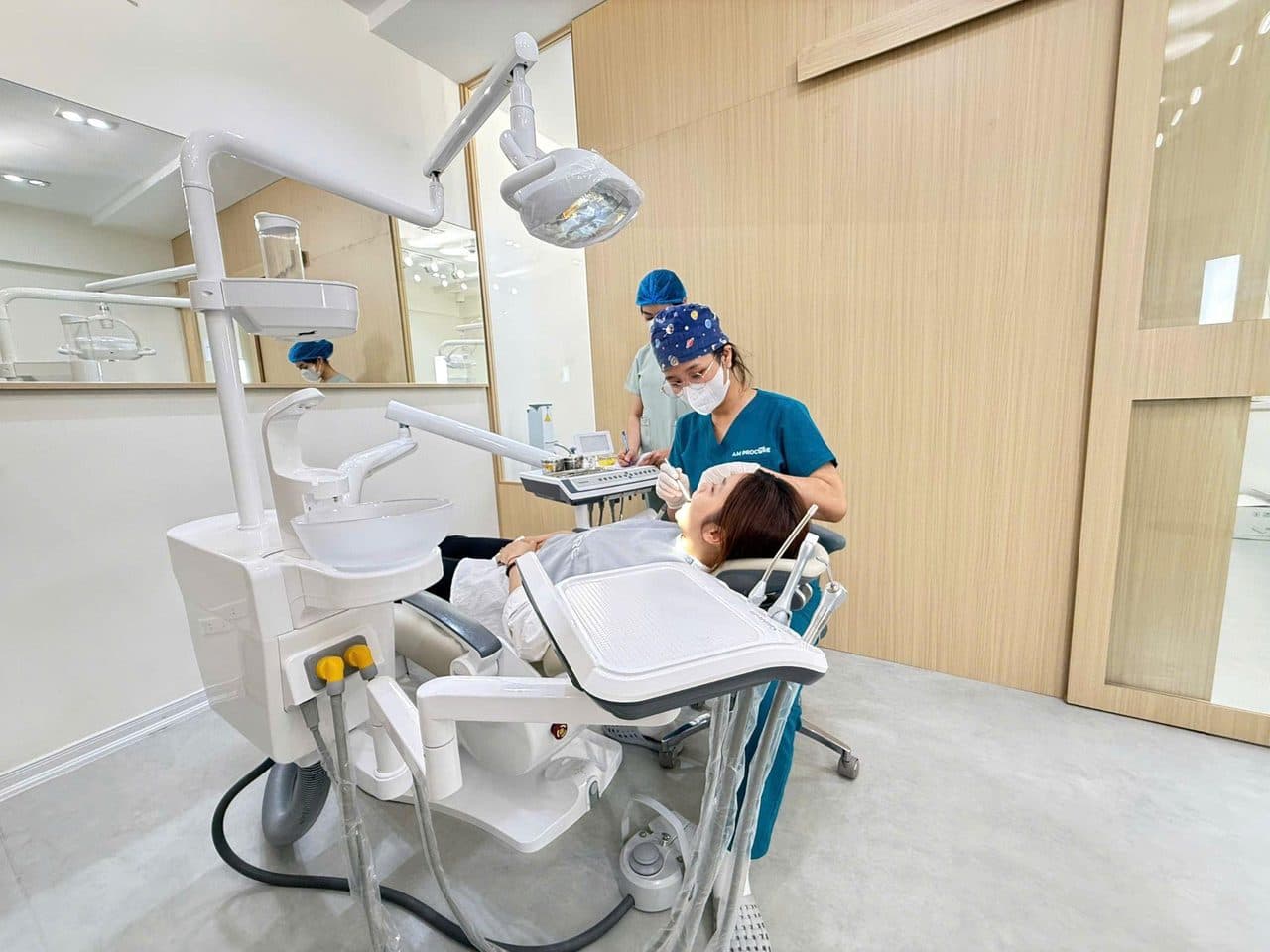
Technology is an enabler, not a gimmick. Intraoral scans reduce impression discomfort for many patients; CBCT supports implant planning; digital photography helps communication. We still explain clinical limits: a beautiful scan does not replace biological diagnosis, and software plans require human judgement before any irreversible step. Sleep-disordered breathing screening is not claimed as a dental cure, but dentists sometimes observe signs that merit medical referral. We stay within professional scope while documenting tooth wear patterns, tongue scalloping, or airway-related symptoms patients volunteer. Collaboration with physicians remains the standard when sleep apnoea is suspected.
Ready to submit records or ask a specialist question?
Submit records