
AM Procare · Hanoi
Hdt Media
- 1
What Hdt Media involves in practice
Technology is an enabler, not a gimmick. Intraoral scans reduce impression discomfort for many patients; CBCT supports implant planning; digital photography helps communication. We still explain clinical limits: a beautiful scan does not replace biological diagnosis, and software plans require human judgement before any irreversible step. X-ray selection follows justification principles: bitewings for interproximal decay risk assessment, periapicals for localized symptoms, panoramic views for broader screening, and CBCT when three-dimensional information changes surgical or implant planning. We discuss radiation exposure in context and why repeat imaging may be avoided when recent films exist.
- 2
How we plan your visit and follow-up
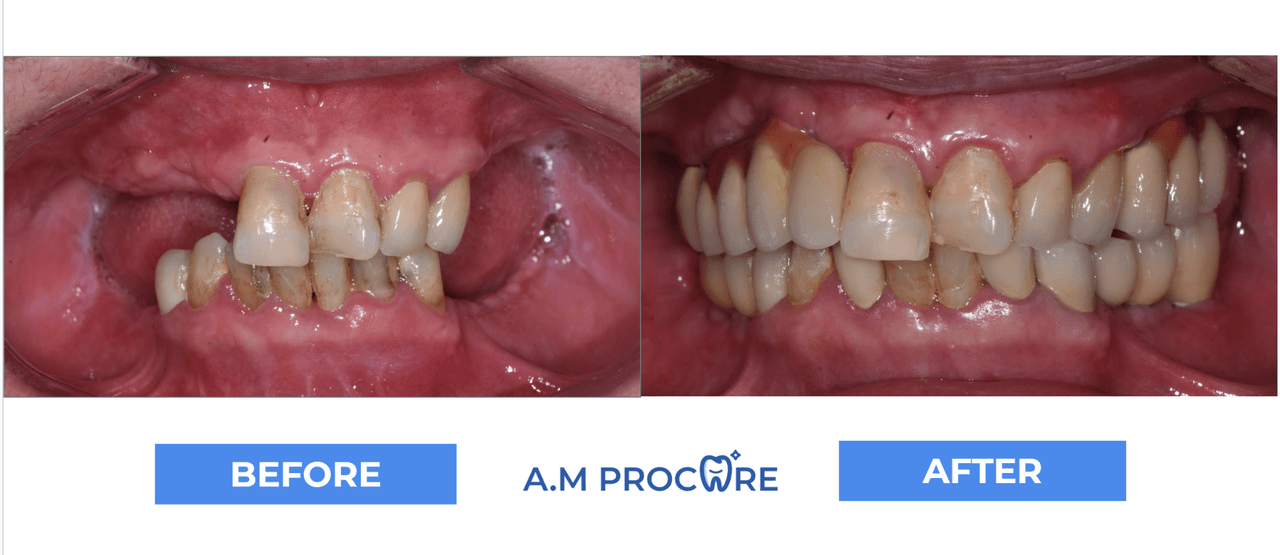
Sleep-disordered breathing screening is not claimed as a dental cure, but dentists sometimes observe signs that merit medical referral. We stay within professional scope while documenting tooth wear patterns, tongue scalloping, or airway-related symptoms patients volunteer. Collaboration with physicians remains the standard when sleep apnoea is suspected. Gallery and testimonial pages stress consent and authenticity. Clinical photography is shown to educate, not to shame, and before-and-after narratives include variability reminders because biology differs between individuals.
- 3
Safety, quality systems, and informed consent
Immediate implant placement is presented with candidacy filters: infection status, bone walls, soft-tissue closure feasibility, and patient compliance. Immediate loading adds another layer of stability requirements that we verify rather than assume. Whitening chemistry is explained as concentration-dependent sensitivity trade-offs. In-office sessions can jump-start shade change; at-home trays refine stability over time. Existing restorations do not lighten like enamel, so patchwork plans are discussed before you invest in visible anterior work.
- 4
Why patients choose AM Procare in Hanoi
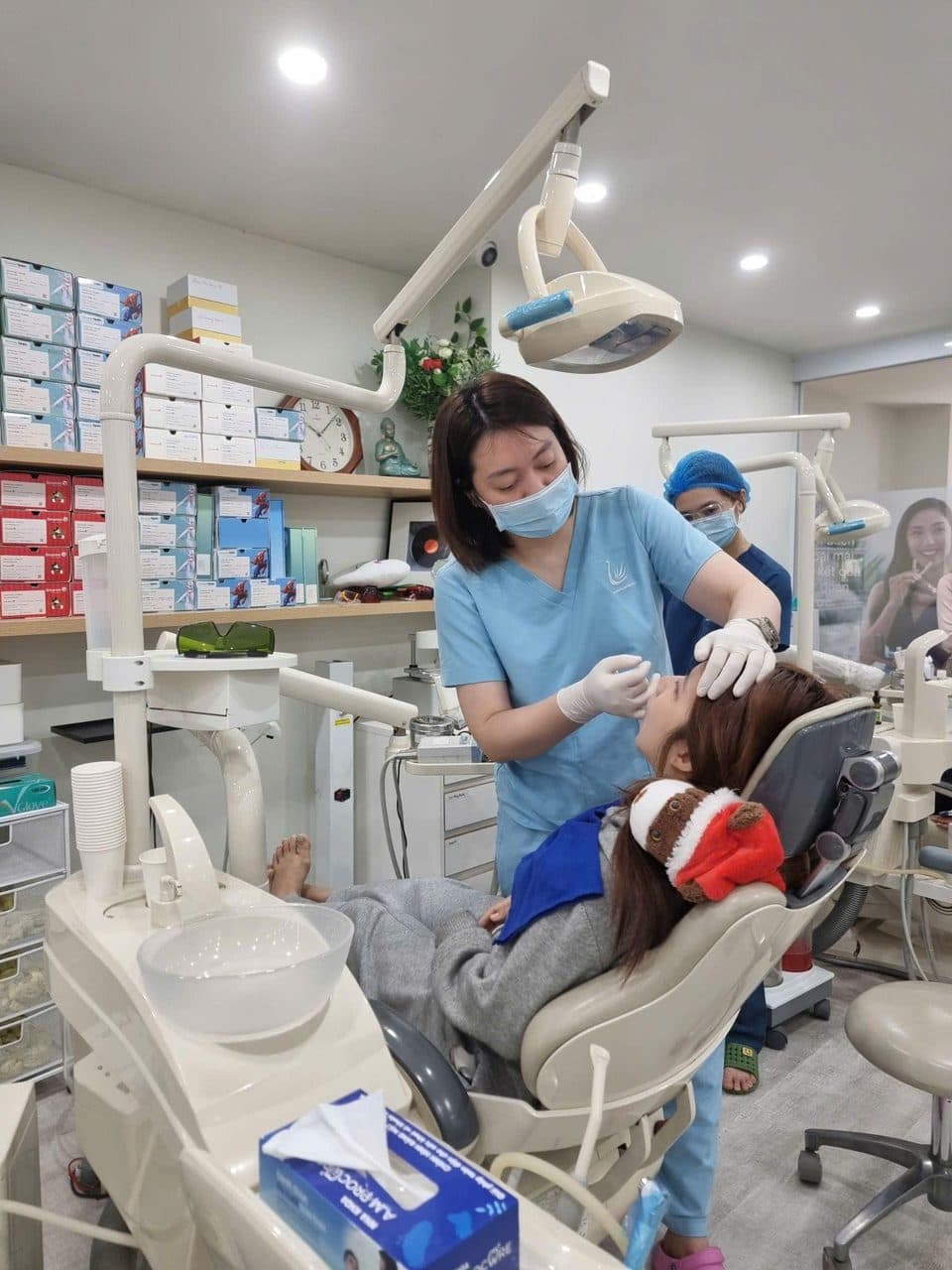
Orthodontic care is described as a biological process: teeth move through bone remodelling, and retention is part of the outcome—not an optional extra. Adults often ask about clear aligners versus braces; we compare predictability for their specific malocclusion, oral hygiene risks, and the importance of periodontal screening before appliances are placed. We also coordinate with jaw surgery pathways when skeletal discrepancies dominate the problem. We treat every appointment as a planning conversation, not a sales pitch. That means your clinician explains what the photographs and scans actually show, which problems are urgent, which can be monitored, and what would change if you postponed treatment. When multiple specialties are involved, we sequence care so that each step protects the next—periodontal health before heavy restorative work, stable occlusion before aggressive cosmetic changes, and infection control before surgical exposure.
Ready to submit records or ask a specialist question?
Submit records