
AM Procare · Hanoi
Dental Careers

What Dental Careers involves in practice
Whitening chemistry is explained as concentration-dependent sensitivity trade-offs. In-office sessions can jump-start shade change; at-home trays refine stability over time. Existing restorations do not lighten like enamel, so patchwork plans are discussed before you invest in visible anterior work. TMD complaints are triaged carefully: joint sounds alone are not always pathologic, but locking, limited opening, or acute trauma change urgency. We coordinate splints, physiotherapy referrals, or imaging when red flags appear rather than offering irreversible bite changes first.
How we plan your visit and follow-up
Children’s and teens’ dentistry, when within scope, is discussed with guardians using growth-aware language: fluoride varnish indications, sealant timing, and sports guard considerations. For adults, we focus on periodontal risk, restorative wear, and how systemic conditions such as diabetes can alter healing trajectories. Periodontal therapy is framed as inflammation control and maintenance, not a one-off “deep clean.” We explain pocket depths, bleeding on probing, and how home tools complement professional visits. For grafting or crown lengthening, we connect the surgical goal to the restorative plan so you understand why sequencing matters.
Safety, quality systems, and informed consent
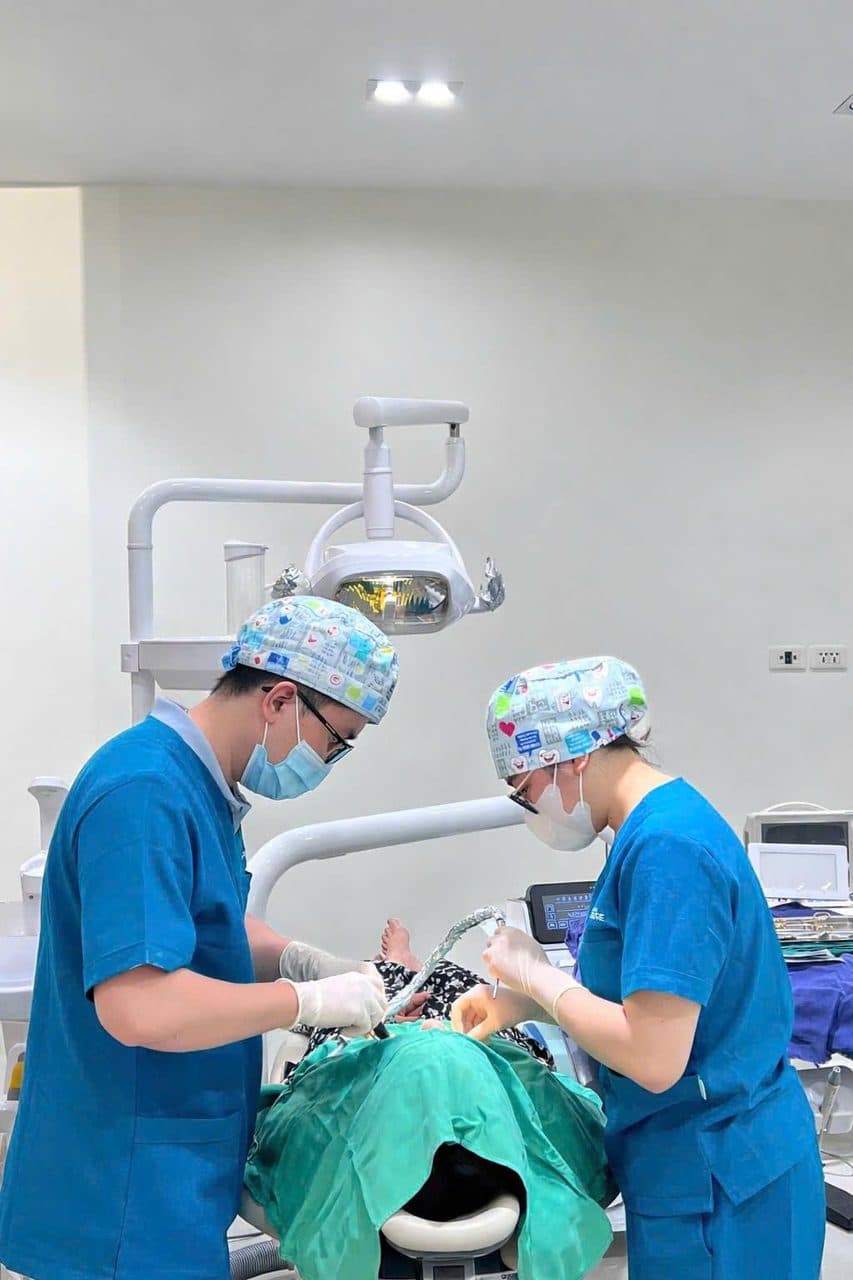
Digital smile design is positioned as a communication tool: facial references, proportions, and mock-ups guide discussion, but biology and lab feasibility still govern final plans. We avoid guaranteeing pixel-perfect outcomes without clinical try-in phases. Sterilization and infection prevention are part of visible trust. Staff training, instrument packaging, and monitoring indicators are described in patient-friendly terms so you understand what “clinical clean” means in daily practice—not only what it looks like in a brochure.

Why patients choose AM Procare in Hanoi
X-ray selection follows justification principles: bitewings for interproximal decay risk assessment, periapicals for localized symptoms, panoramic views for broader screening, and CBCT when three-dimensional information changes surgical or implant planning. We discuss radiation exposure in context and why repeat imaging may be avoided when recent films exist. Technology is an enabler, not a gimmick. Intraoral scans reduce impression discomfort for many patients; CBCT supports implant planning; digital photography helps communication. We still explain clinical limits: a beautiful scan does not replace biological diagnosis, and software plans require human judgement before any irreversible step.
Ready to submit records or ask a specialist question?
Submit records