
AM Procare · Hanoi
Porcelain Veneers
What Porcelain Veneers involves in practice
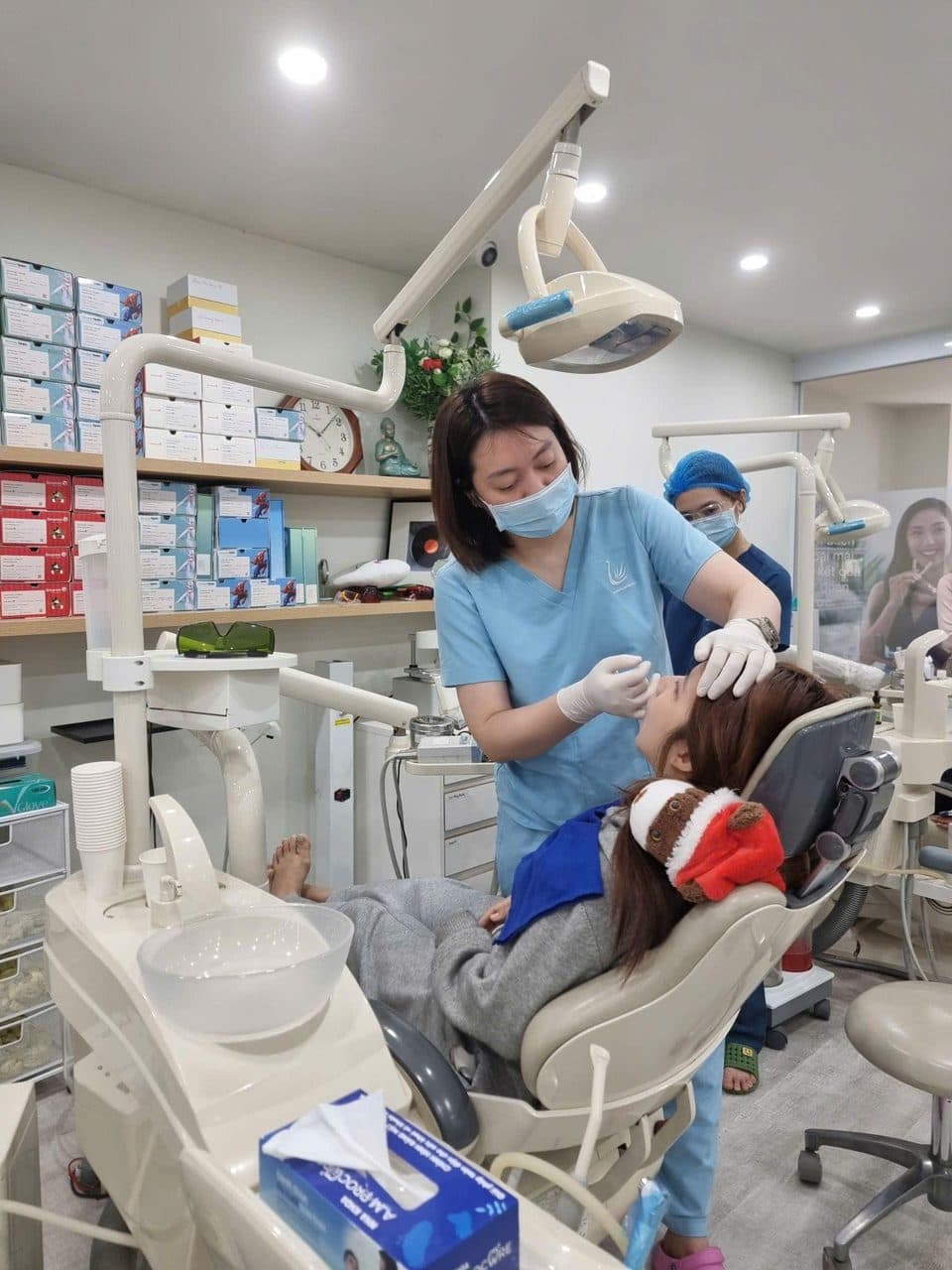
We treat every appointment as a planning conversation, not a sales pitch. That means your clinician explains what the photographs and scans actually show, which problems are urgent, which can be monitored, and what would change if you postponed treatment. When multiple specialties are involved, we sequence care so that each step protects the next—periodontal health before heavy restorative work, stable occlusion before aggressive cosmetic changes, and infection control before surgical exposure. Orthodontic care is described as a biological process: teeth move through bone remodelling, and retention is part of the outcome—not an optional extra. Adults often ask about clear aligners versus braces; we compare predictability for their specific malocclusion, oral hygiene risks, and the importance of periodontal screening before appliances are placed. We also coordinate with jaw surgery pathways when skeletal discrepancies dominate the problem.
How we plan your visit and follow-up
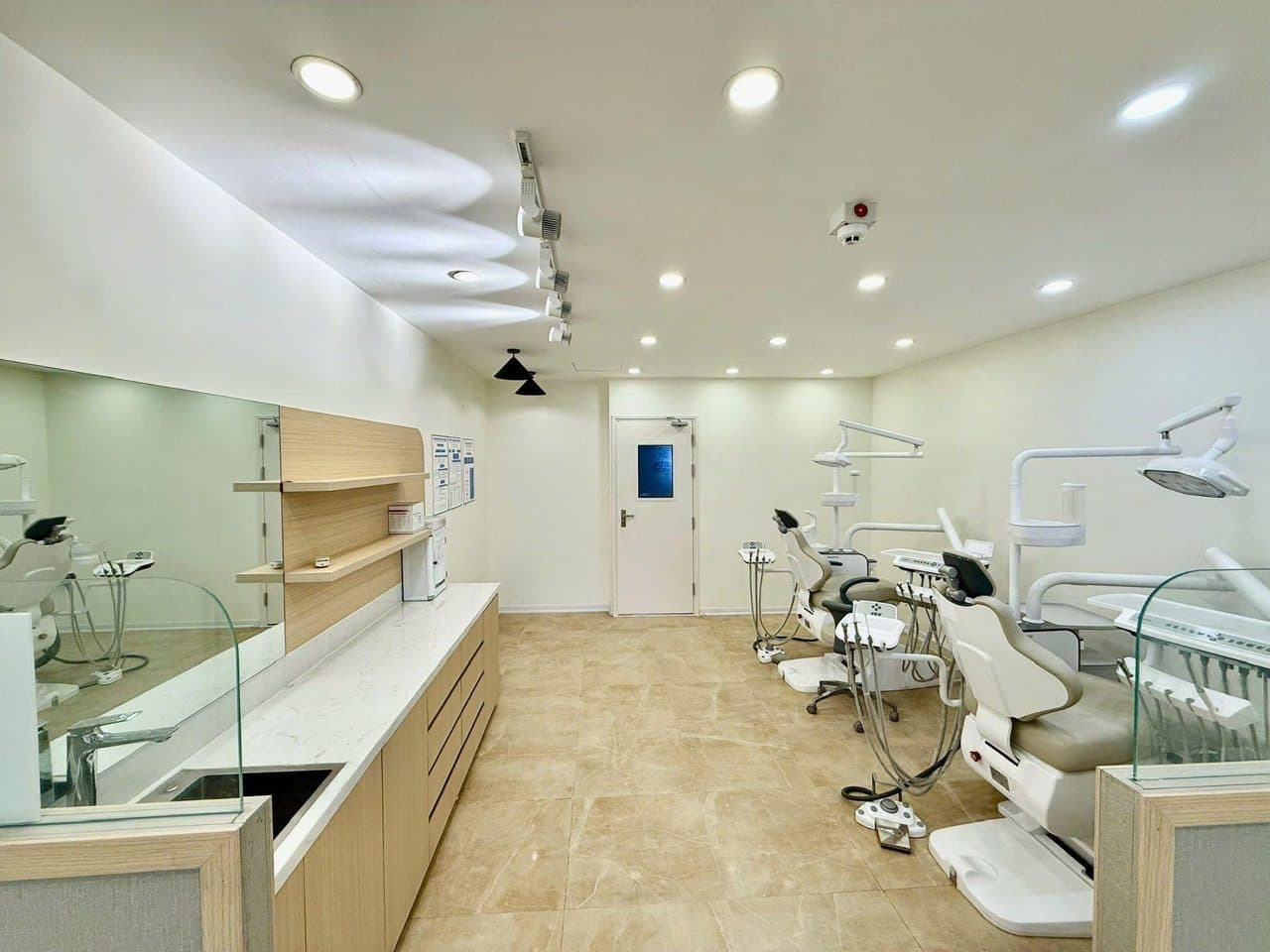
Sterilization and infection prevention are part of visible trust. Staff training, instrument packaging, and monitoring indicators are described in patient-friendly terms so you understand what “clinical clean” means in daily practice—not only what it looks like in a brochure. Oral surgery conversations cover informed consent in plain language: what numbness feels like, what swelling timeline to expect, and what symptoms should trigger a call. For third molars, we explain impaction types and why imaging sometimes changes the plan on the day. For jaw surgery referrals, we emphasise multidisciplinary planning and realistic recovery arcs rather than social-media shortcuts.
Safety, quality systems, and informed consent
Safety is expressed through repeatable systems—sterilization monitoring, instrument traceability, and clear isolation during procedures that generate aerosols. We also think about medical history, medications, and bleeding risk as part of routine review, not as an afterthought. If you are anxious, tell us early; we can discuss pacing, local anaesthesia expectations, and what signals you can use during treatment if you need a pause. Fees and warranty discussions are handled with transparency: what is included in a quote, what might change if intraoperative findings differ, and how maintenance visits protect warranty conditions. Promotions, when available, are presented with eligibility notes so there is no confusion at the front desk.
Why patients choose AM Procare in Hanoi
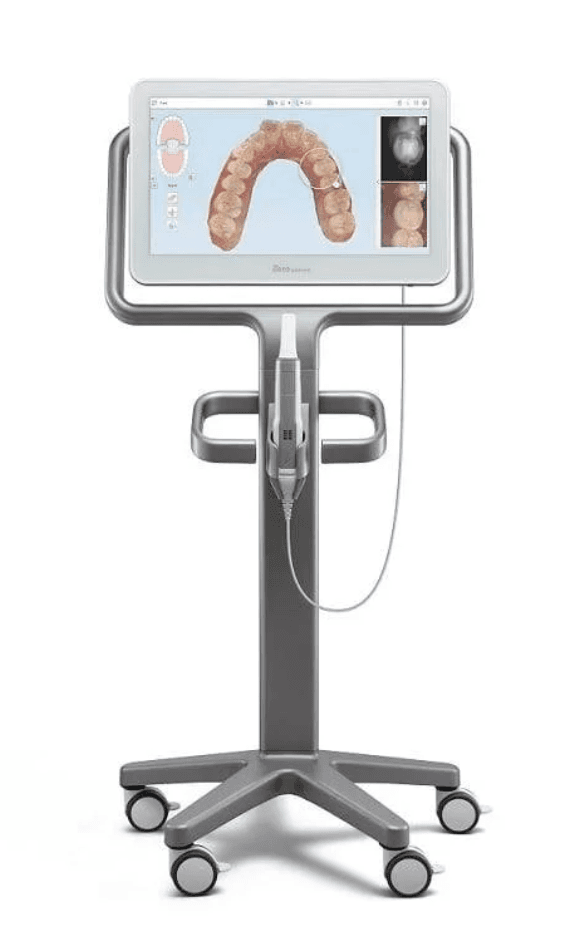
Halitosis workups start with periodontal and tongue-coating causes before exotic systemic explanations. We coach on interdental cleaning tools and professional debridement before promising miracle rinses. Technology is an enabler, not a gimmick. Intraoral scans reduce impression discomfort for many patients; CBCT supports implant planning; digital photography helps communication. We still explain clinical limits: a beautiful scan does not replace biological diagnosis, and software plans require human judgement before any irreversible step.
Ready to submit records or ask a specialist question?
Submit records