
AM Procare · Hanoi
Inlays Onlays Overlays
What Inlays Onlays Overlays involves in practice
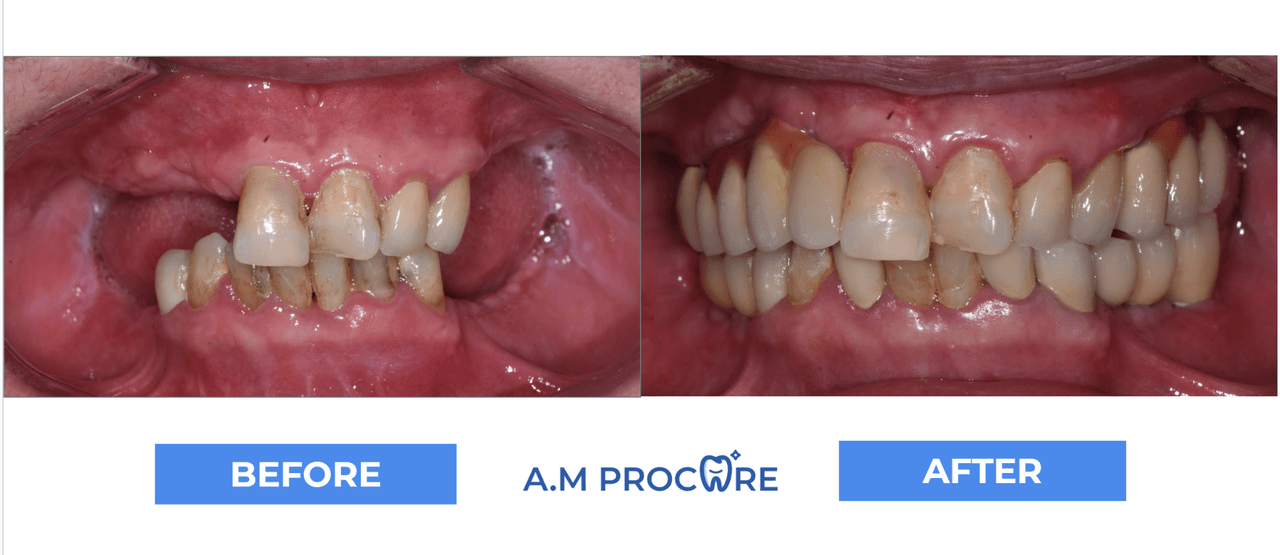
Prosthodontic options—bridges, dentures, and implant-supported restorations—are compared on dimensions patients actually feel: speech, chewing efficiency, bulk in the mouth, and cleaning routines. We discuss material trade-offs for metal frameworks versus zirconia or acrylic bases, and we set expectations for relines, repairs, and eventual replacement intervals. Orthodontic care is described as a biological process: teeth move through bone remodelling, and retention is part of the outcome—not an optional extra. Adults often ask about clear aligners versus braces; we compare predictability for their specific malocclusion, oral hygiene risks, and the importance of periodontal screening before appliances are placed. We also coordinate with jaw surgery pathways when skeletal discrepancies dominate the problem.

How we plan your visit and follow-up
Halitosis workups start with periodontal and tongue-coating causes before exotic systemic explanations. We coach on interdental cleaning tools and professional debridement before promising miracle rinses. Implant dentistry is presented with honest anatomy talk: bone volume, soft-tissue profile, parafunctional habits, and maintenance burden. For full-arch strategies, we explain why a fixed bridge may differ from an overdenture in terms of hygiene access, comfort, and long-term servicing. If bone is limited, we discuss grafting or zygomatic options only when they genuinely match your goals and ability to attend follow-up.
Safety, quality systems, and informed consent
Gallery and testimonial pages stress consent and authenticity. Clinical photography is shown to educate, not to shame, and before-and-after narratives include variability reminders because biology differs between individuals. X-ray selection follows justification principles: bitewings for interproximal decay risk assessment, periapicals for localized symptoms, panoramic views for broader screening, and CBCT when three-dimensional information changes surgical or implant planning. We discuss radiation exposure in context and why repeat imaging may be avoided when recent films exist.
Why patients choose AM Procare in Hanoi
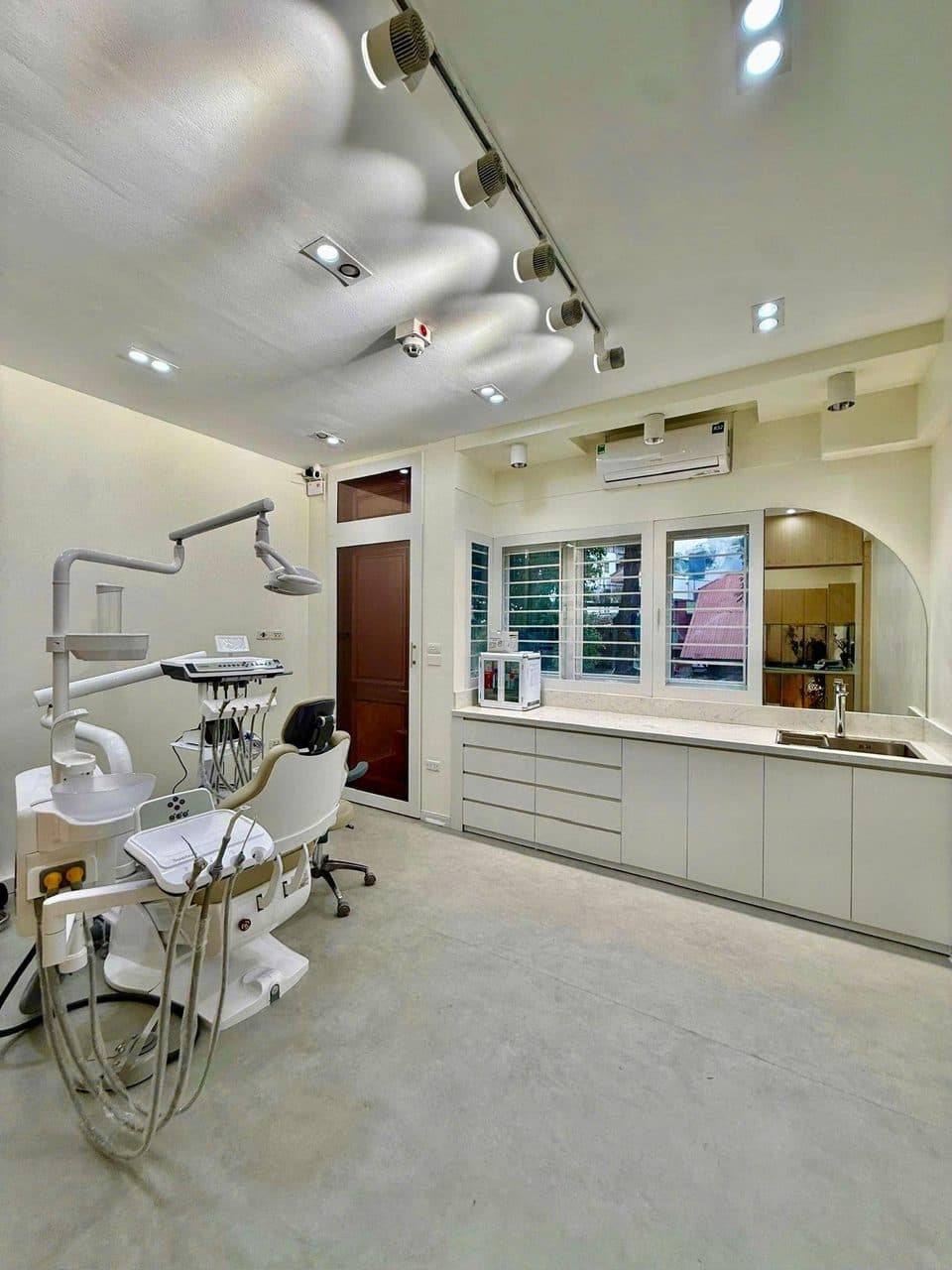
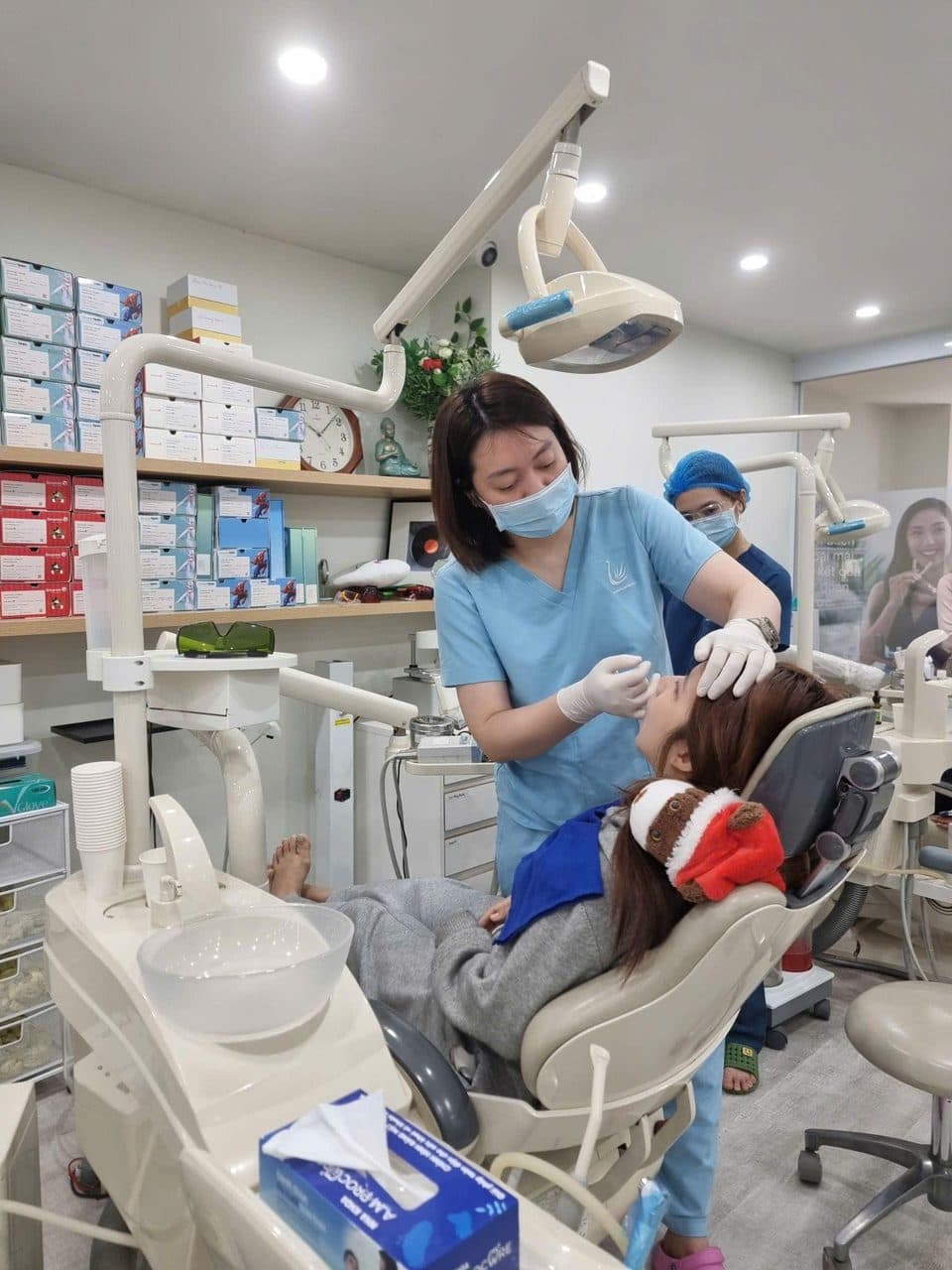
Immediate implant placement is presented with candidacy filters: infection status, bone walls, soft-tissue closure feasibility, and patient compliance. Immediate loading adds another layer of stability requirements that we verify rather than assume. Safety is expressed through repeatable systems—sterilization monitoring, instrument traceability, and clear isolation during procedures that generate aerosols. We also think about medical history, medications, and bleeding risk as part of routine review, not as an afterthought. If you are anxious, tell us early; we can discuss pacing, local anaesthesia expectations, and what signals you can use during treatment if you need a pause.
Ready to submit records or ask a specialist question?
Submit records