
AM Procare · Hanoi
Tooth Whitening
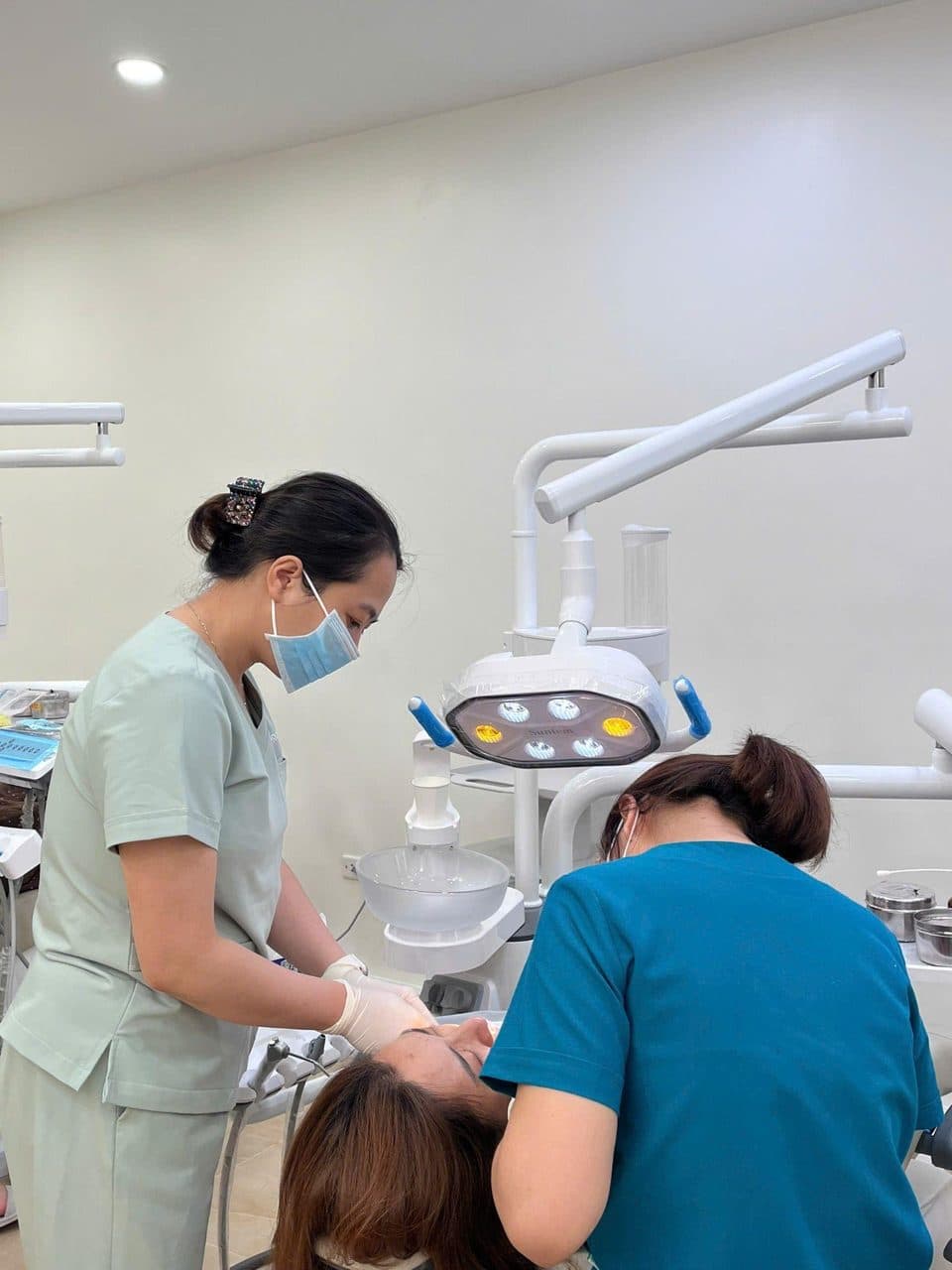
What Tooth Whitening involves in practice
We treat every appointment as a planning conversation, not a sales pitch. That means your clinician explains what the photographs and scans actually show, which problems are urgent, which can be monitored, and what would change if you postponed treatment. When multiple specialties are involved, we sequence care so that each step protects the next—periodontal health before heavy restorative work, stable occlusion before aggressive cosmetic changes, and infection control before surgical exposure. X-ray selection follows justification principles: bitewings for interproximal decay risk assessment, periapicals for localized symptoms, panoramic views for broader screening, and CBCT when three-dimensional information changes surgical or implant planning. We discuss radiation exposure in context and why repeat imaging may be avoided when recent films exist.
How we plan your visit and follow-up
Night guards and occlusal splints come up when wear facets, muscle tenderness, or morning headaches suggest parafunction. We differentiate night grinding from daytime clenching where possible, discuss material thickness and comfort trade-offs, and set expectations for adaptation in the first week. Follow-up adjusts the appliance plan if tenderness persists or if the bite shifts unexpectedly. Gallery and testimonial pages stress consent and authenticity. Clinical photography is shown to educate, not to shame, and before-and-after narratives include variability reminders because biology differs between individuals.
Safety, quality systems, and informed consent
Orthodontic care is described as a biological process: teeth move through bone remodelling, and retention is part of the outcome—not an optional extra. Adults often ask about clear aligners versus braces; we compare predictability for their specific malocclusion, oral hygiene risks, and the importance of periodontal screening before appliances are placed. We also coordinate with jaw surgery pathways when skeletal discrepancies dominate the problem. International patients receive practical logistics: how to share records securely, how to schedule compression visits, and how to plan accommodation near the branch you will attend. We emphasise realistic healing windows before you fly, especially after surgery or extensive restorative work, and we discuss emergency contact expectations across time zones when relevant.
Why patients choose AM Procare in Hanoi
Geriatric dentistry emphasises dry mouth from medications, root caries risk, and prosthetic adaptation. We adapt maintenance intervals and fluoride regimens when dexterity or caregiving support changes the home-care picture. Prosthodontic options—bridges, dentures, and implant-supported restorations—are compared on dimensions patients actually feel: speech, chewing efficiency, bulk in the mouth, and cleaning routines. We discuss material trade-offs for metal frameworks versus zirconia or acrylic bases, and we set expectations for relines, repairs, and eventual replacement intervals.
Ready to submit records or ask a specialist question?
Submit records