
AM Procare · Hanoi
Conventional Tooth Implant
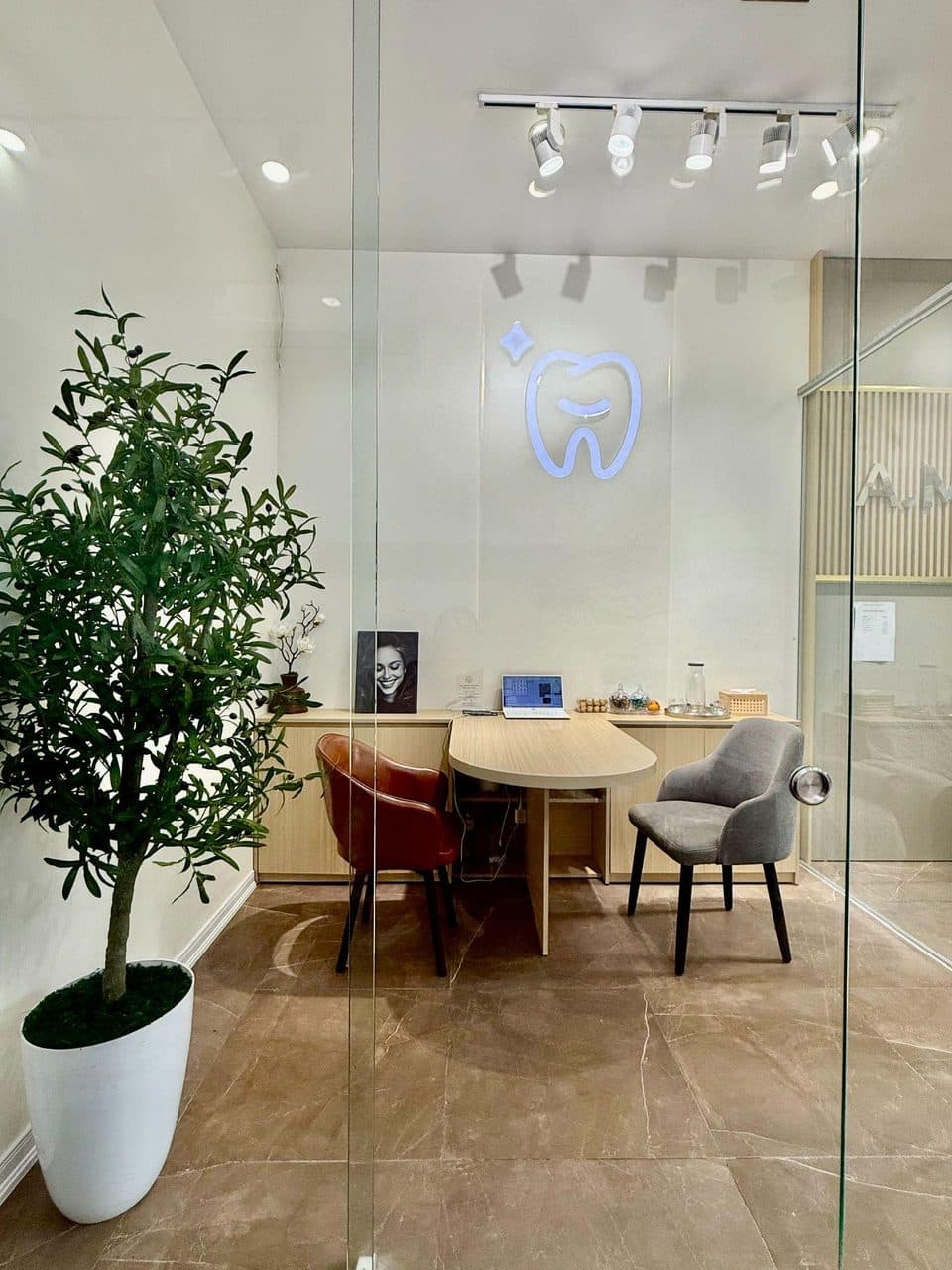
What Conventional Tooth Implant involves in practice
Veneer preparation philosophies range from minimal enamel reduction to more aggressive correction of position. We explain why ultra-thin options are not universal, how gingival architecture influences margins, and why provisional phases help patients adapt before finals are bonded. Paediatric behaviour guidance favours tell-show-do approaches, minimal restraint philosophy, and guardian partnership. When treatment cannot be delivered safely in a routine setting, we discuss referral options transparently rather than forcing chairside completion.
How we plan your visit and follow-up
X-ray selection follows justification principles: bitewings for interproximal decay risk assessment, periapicals for localized symptoms, panoramic views for broader screening, and CBCT when three-dimensional information changes surgical or implant planning. We discuss radiation exposure in context and why repeat imaging may be avoided when recent films exist. Zygomatic implants appear only after conventional pathways are understood. We emphasise surgical experience, imaging requirements, and anaesthesia settings appropriate to advanced cases. Patients deserve clarity about complexity fees and hospital-grade support when indicated.
Safety, quality systems, and informed consent
Safety is expressed through repeatable systems—sterilization monitoring, instrument traceability, and clear isolation during procedures that generate aerosols. We also think about medical history, medications, and bleeding risk as part of routine review, not as an afterthought. If you are anxious, tell us early; we can discuss pacing, local anaesthesia expectations, and what signals you can use during treatment if you need a pause. Whitening chemistry is explained as concentration-dependent sensitivity trade-offs. In-office sessions can jump-start shade change; at-home trays refine stability over time. Existing restorations do not lighten like enamel, so patchwork plans are discussed before you invest in visible anterior work.
Why patients choose AM Procare in Hanoi
Prosthodontic options—bridges, dentures, and implant-supported restorations—are compared on dimensions patients actually feel: speech, chewing efficiency, bulk in the mouth, and cleaning routines. We discuss material trade-offs for metal frameworks versus zirconia or acrylic bases, and we set expectations for relines, repairs, and eventual replacement intervals. Gallery and testimonial pages stress consent and authenticity. Clinical photography is shown to educate, not to shame, and before-and-after narratives include variability reminders because biology differs between individuals.
Ready to submit records or ask a specialist question?
Submit records