
AM Procare · Hanoi
Bone Grafts

What Bone Grafts involves in practice
Zygomatic implants appear only after conventional pathways are understood. We emphasise surgical experience, imaging requirements, and anaesthesia settings appropriate to advanced cases. Patients deserve clarity about complexity fees and hospital-grade support when indicated. Sports dentistry includes mouthguard thickness choices and timing relative to orthodontic appliances. We discuss emergency management of avulsed teeth at a high level and refer to acute care when trauma involves fractures beyond teeth alone.
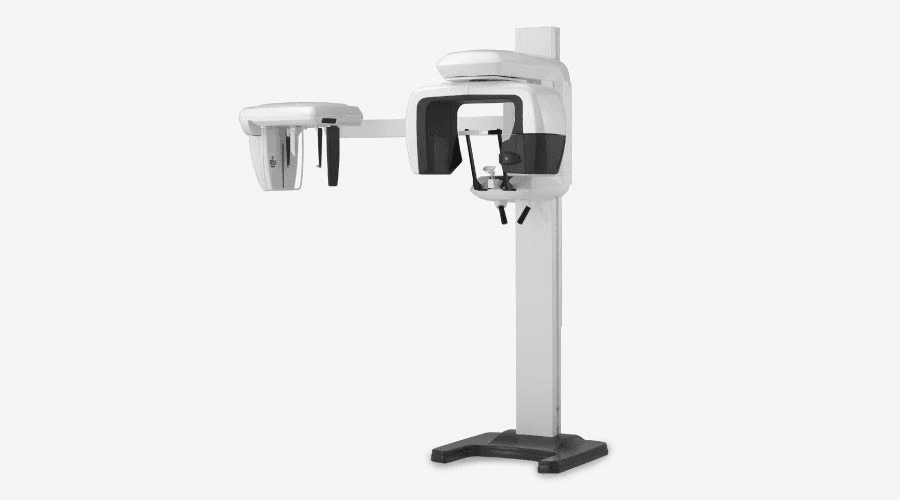
How we plan your visit and follow-up
Dental laboratory workflows matter for fit and aesthetics. We explain why some cases need try-ins, why shade selection is staged under controlled lighting, and why remakes occasionally happen when precision demands it. Patients who travel benefit from understanding which steps cannot be rushed without compromising quality. Bone grafting discussions include healing times, donor site morbidity for autogenous blocks, and why some grafts need membrane containment. We connect graft success to smoking cessation, diabetes control, and medication reviews where relevant.
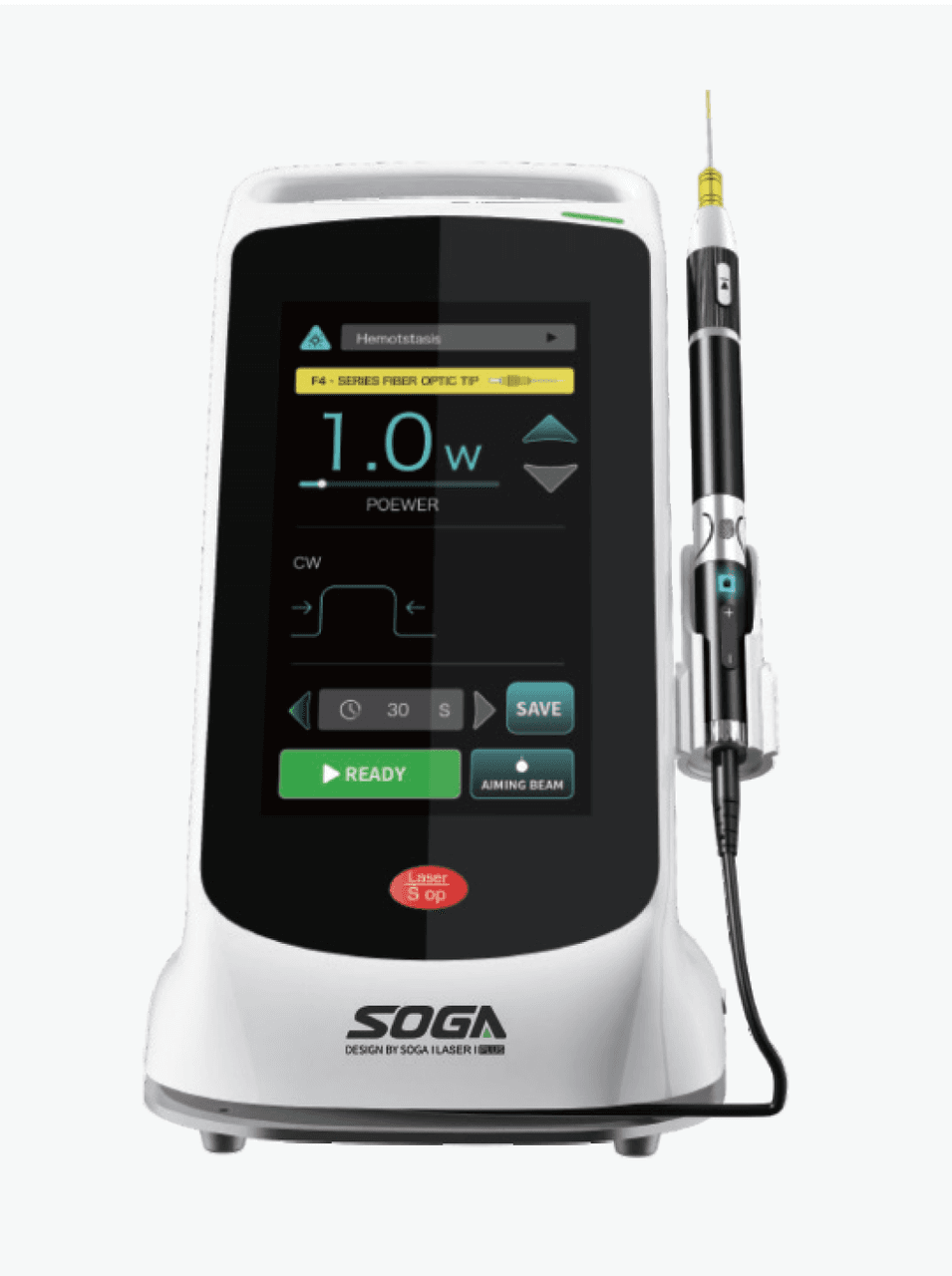
Safety, quality systems, and informed consent
TMD complaints are triaged carefully: joint sounds alone are not always pathologic, but locking, limited opening, or acute trauma change urgency. We coordinate splints, physiotherapy referrals, or imaging when red flags appear rather than offering irreversible bite changes first. Career and corporate programmes are built around predictable scheduling and clear reporting for HR teams. Insurance sections emphasise documentation: what insurers typically need, what patients should bring, and how claims timelines differ by provider.
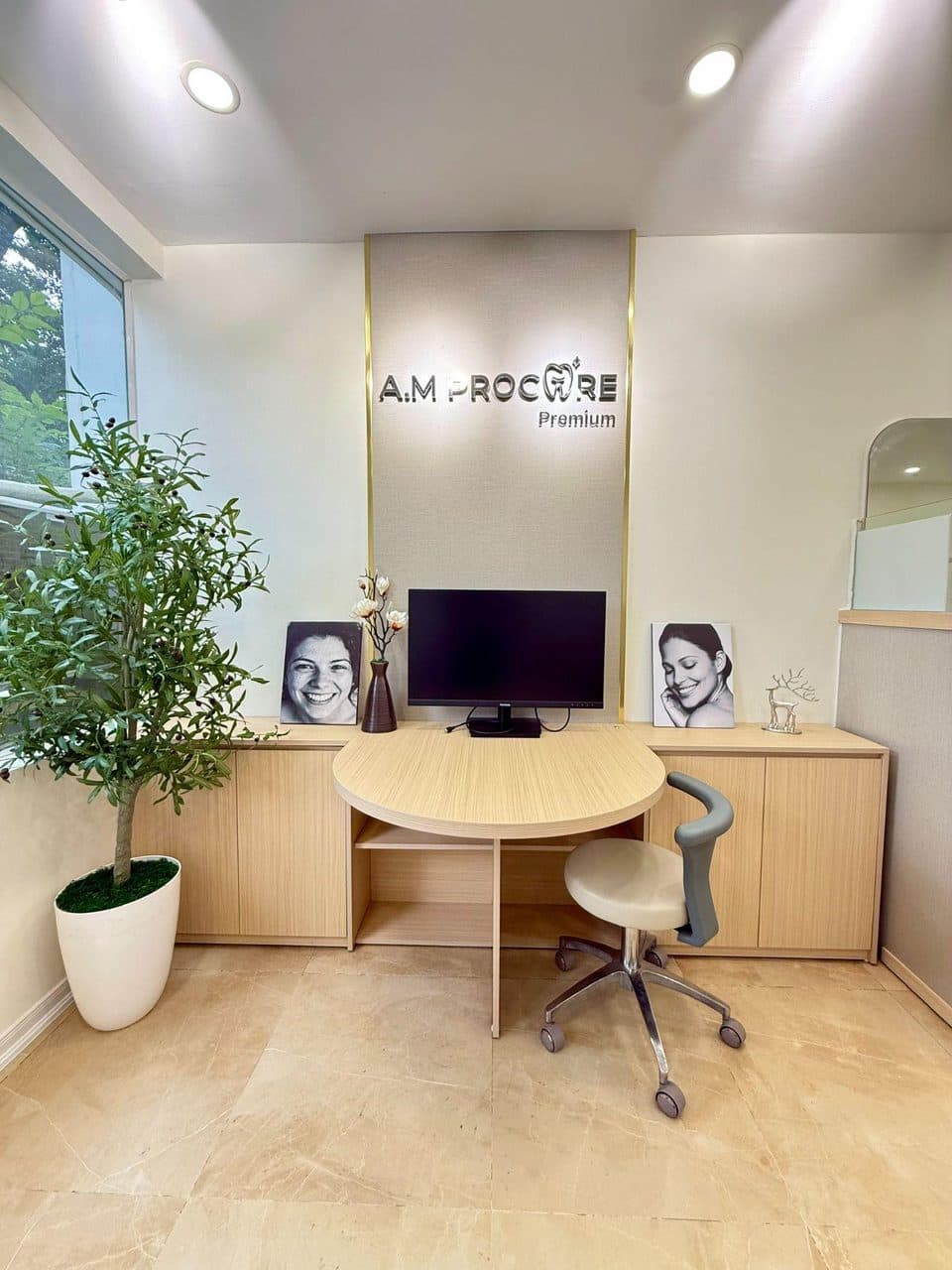
Why patients choose AM Procare in Hanoi
We treat every appointment as a planning conversation, not a sales pitch. That means your clinician explains what the photographs and scans actually show, which problems are urgent, which can be monitored, and what would change if you postponed treatment. When multiple specialties are involved, we sequence care so that each step protects the next—periodontal health before heavy restorative work, stable occlusion before aggressive cosmetic changes, and infection control before surgical exposure. Prosthodontic options—bridges, dentures, and implant-supported restorations—are compared on dimensions patients actually feel: speech, chewing efficiency, bulk in the mouth, and cleaning routines. We discuss material trade-offs for metal frameworks versus zirconia or acrylic bases, and we set expectations for relines, repairs, and eventual replacement intervals.
Ready to submit records or ask a specialist question?
Submit records