
AM Procare · Hanoi
Speed Braces

This page focuses on Speed Braces at AM Procare in Hanoi, Vietnam. We explain how our clinicians approach assessment, planning, and follow-up for patients who expect transparent communication, evidence-based options, and staged care. Below you will find a practical overview of what typically matters before treatment starts, how visits are coordinated, and how we support both local patients and international guests travelling for dental care.
General dentistry remains the backbone of the practice: examinations that catch early lesions, conservative fillings when indicated, and periodontal therapy when inflammation threatens stability. We discuss fluoride protocols for high-risk patients, night guards when wear patterns suggest parafunction, and diet factors that matter as much as brushing technique for some individuals.
Halitosis workups start with periodontal and tongue-coating causes before exotic systemic explanations. We coach on interdental cleaning tools and professional debridement before promising miracle rinses.
What Speed Braces involves in practice
Orthodontic care is described as a biological process: teeth move through bone remodelling, and retention is part of the outcome—not an optional extra. Adults often ask about clear aligners versus braces; we compare predictability for their specific malocclusion, oral hygiene risks, and the importance of periodontal screening before appliances are placed. We also coordinate with jaw surgery pathways when skeletal discrepancies dominate the problem. TMD complaints are triaged carefully: joint sounds alone are not always pathologic, but locking, limited opening, or acute trauma change urgency. We coordinate splints, physiotherapy referrals, or imaging when red flags appear rather than offering irreversible bite changes first.
How we plan your visit and follow-up
Geriatric dentistry emphasises dry mouth from medications, root caries risk, and prosthetic adaptation. We adapt maintenance intervals and fluoride regimens when dexterity or caregiving support changes the home-care picture. Periodontal therapy is framed as inflammation control and maintenance, not a one-off “deep clean.” We explain pocket depths, bleeding on probing, and how home tools complement professional visits. For grafting or crown lengthening, we connect the surgical goal to the restorative plan so you understand why sequencing matters.
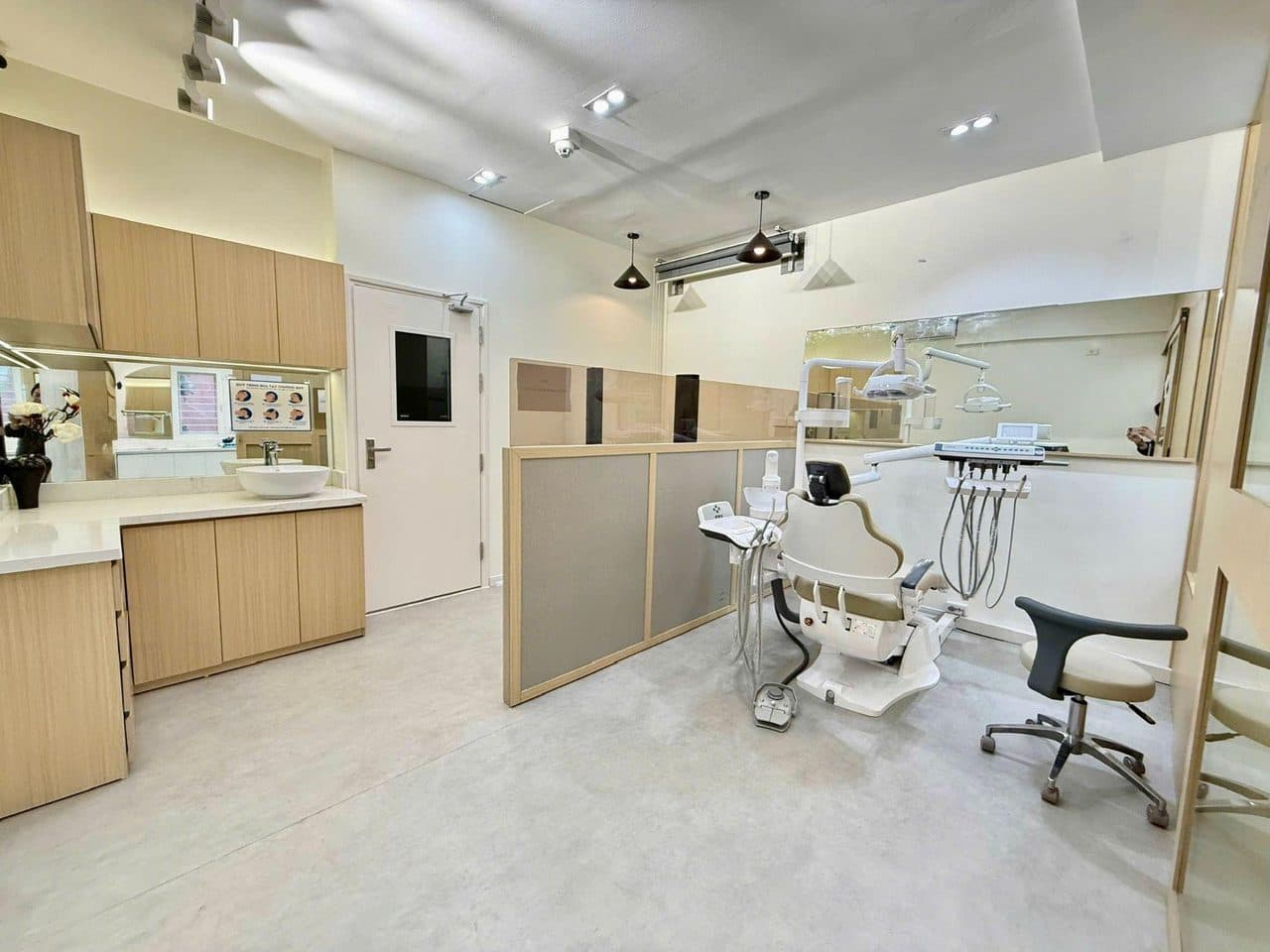
Safety, quality systems, and informed consent
Night guards and occlusal splints come up when wear facets, muscle tenderness, or morning headaches suggest parafunction. We differentiate night grinding from daytime clenching where possible, discuss material thickness and comfort trade-offs, and set expectations for adaptation in the first week. Follow-up adjusts the appliance plan if tenderness persists or if the bite shifts unexpectedly. Whitening chemistry is explained as concentration-dependent sensitivity trade-offs. In-office sessions can jump-start shade change; at-home trays refine stability over time. Existing restorations do not lighten like enamel, so patchwork plans are discussed before you invest in visible anterior work.
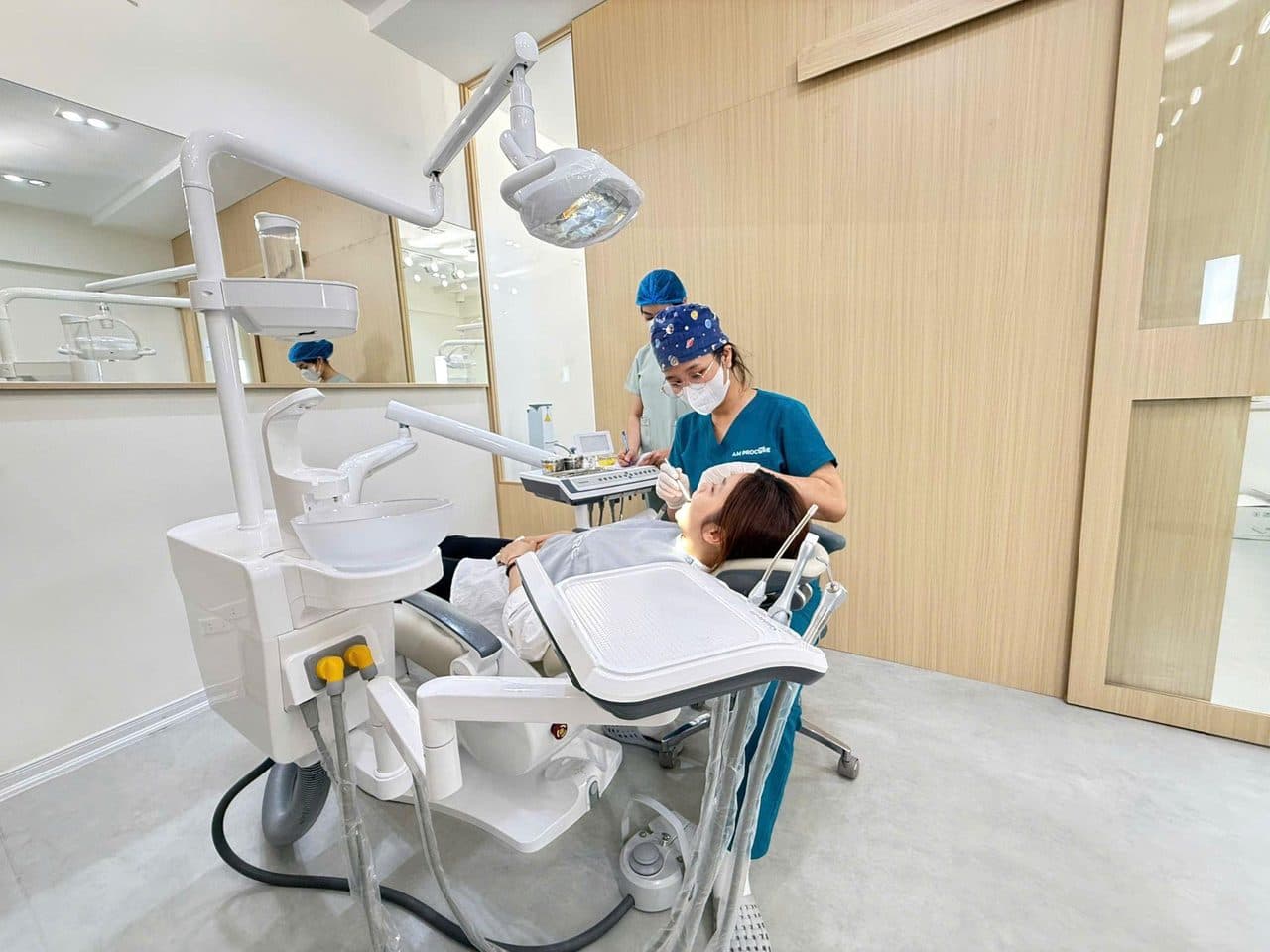
Why patients choose AM Procare in Hanoi
Endodontic treatment is described as an effort to retain a natural tooth when the prognosis justifies the investment. We discuss why rubber dam isolation matters, why some teeth need crowns afterwards, and why retreatment or surgery becomes a conversation when healing stalls. Pain control expectations and flare-up possibilities are addressed upfront so you are not surprised at home. All-on-4 and full-arch concepts are described with prosthetic maintenance realism: hygiene access under bridges, scheduled recalls, and component wear. We resist one-number pricing narratives that ignore bone quality, final teeth material, and long-term servicing.
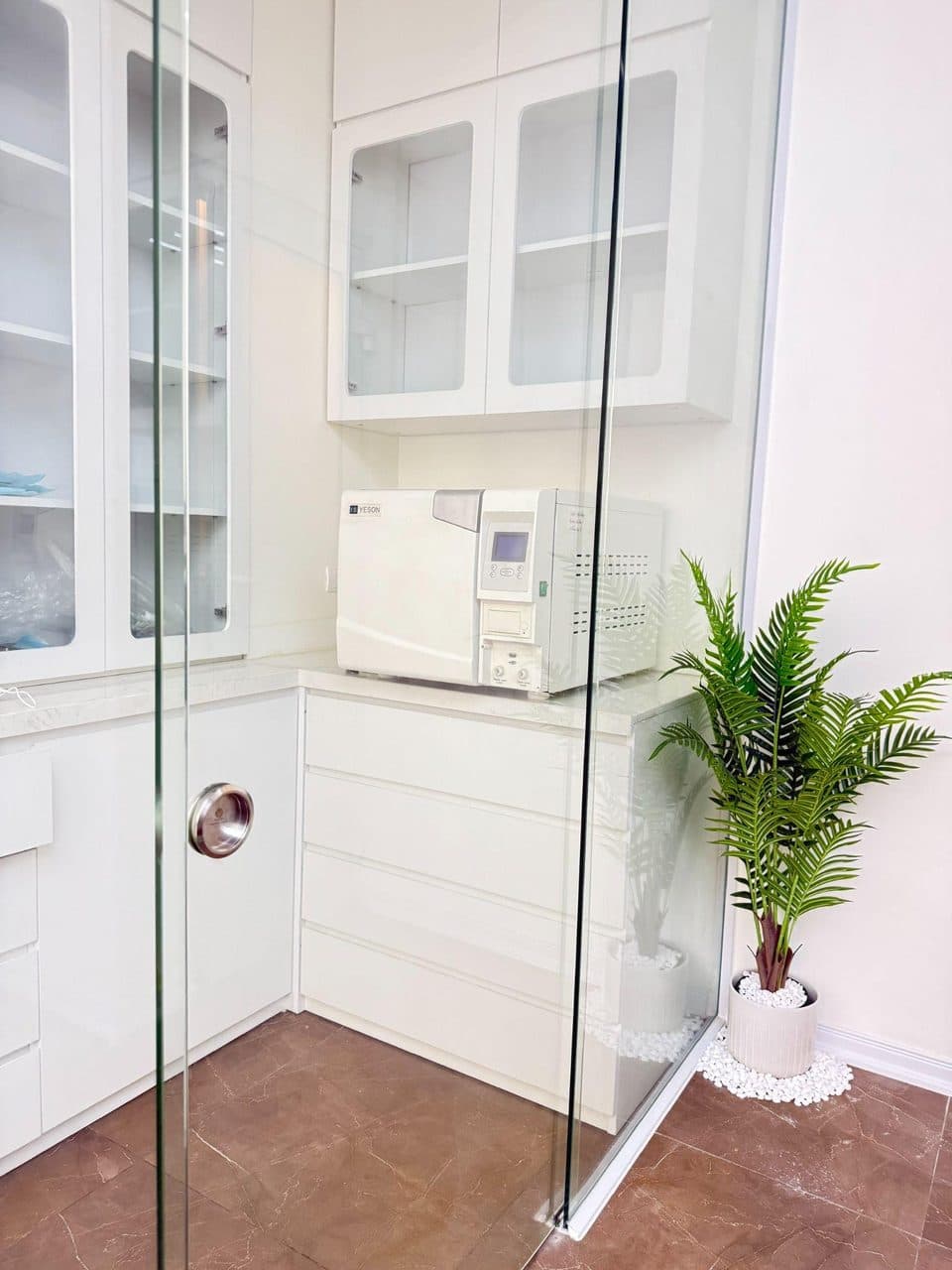
Ready to submit records or ask a specialist question?
Submit records