
AM Procare · Hanoi
Clarity Braces
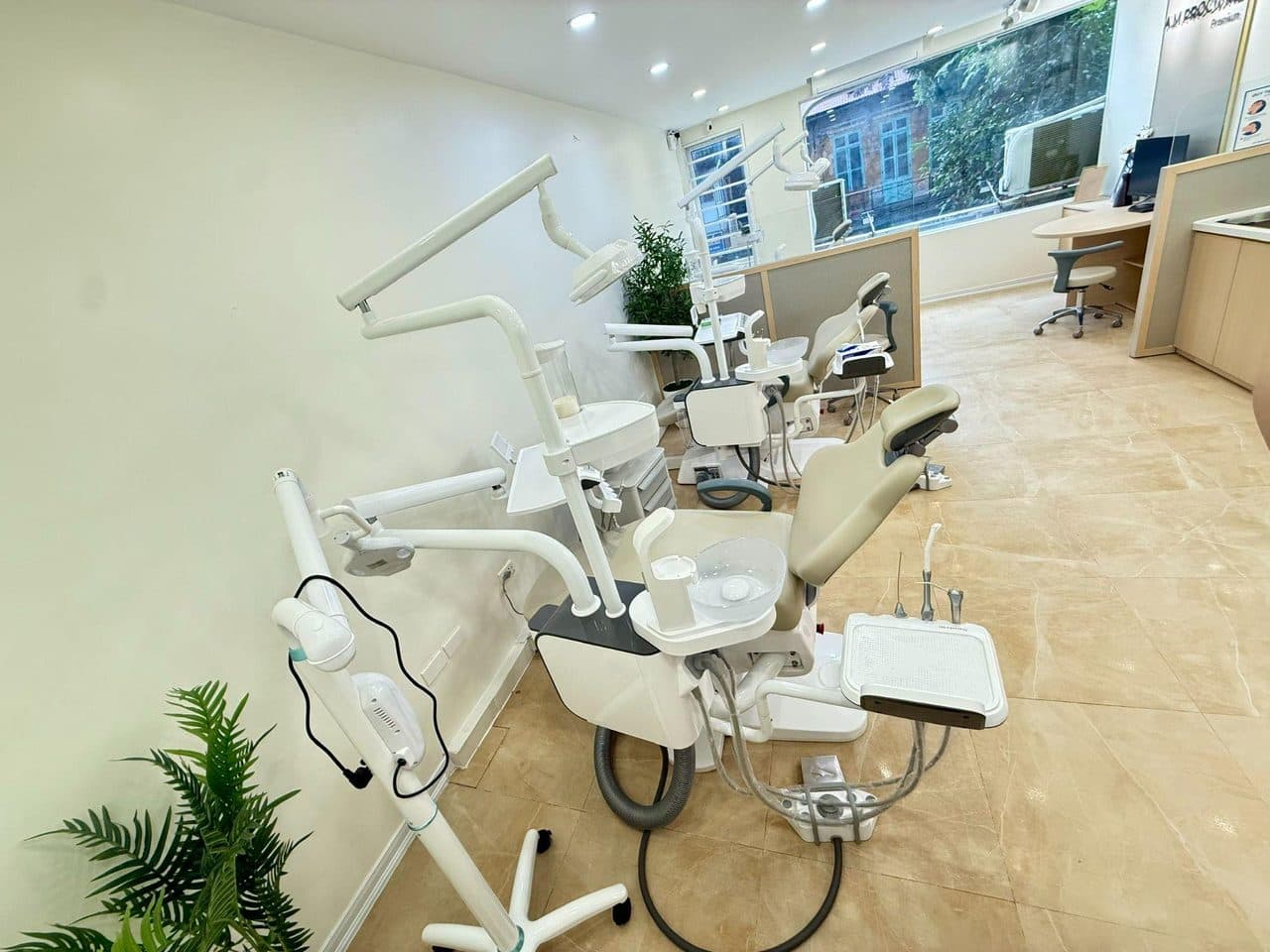
This page focuses on Clarity Braces at AM Procare in Hanoi, Vietnam. We explain how our clinicians approach assessment, planning, and follow-up for patients who expect transparent communication, evidence-based options, and staged care. Below you will find a practical overview of what typically matters before treatment starts, how visits are coordinated, and how we support both local patients and international guests travelling for dental care.
Gallery and testimonial pages stress consent and authenticity. Clinical photography is shown to educate, not to shame, and before-and-after narratives include variability reminders because biology differs between individuals.
TMD complaints are triaged carefully: joint sounds alone are not always pathologic, but locking, limited opening, or acute trauma change urgency. We coordinate splints, physiotherapy referrals, or imaging when red flags appear rather than offering irreversible bite changes first.
What Clarity Braces involves in practice
We treat every appointment as a planning conversation, not a sales pitch. That means your clinician explains what the photographs and scans actually show, which problems are urgent, which can be monitored, and what would change if you postponed treatment. When multiple specialties are involved, we sequence care so that each step protects the next—periodontal health before heavy restorative work, stable occlusion before aggressive cosmetic changes, and infection control before surgical exposure. All-on-4 and full-arch concepts are described with prosthetic maintenance realism: hygiene access under bridges, scheduled recalls, and component wear. We resist one-number pricing narratives that ignore bone quality, final teeth material, and long-term servicing.
How we plan your visit and follow-up
Implant dentistry is presented with honest anatomy talk: bone volume, soft-tissue profile, parafunctional habits, and maintenance burden. For full-arch strategies, we explain why a fixed bridge may differ from an overdenture in terms of hygiene access, comfort, and long-term servicing. If bone is limited, we discuss grafting or zygomatic options only when they genuinely match your goals and ability to attend follow-up. X-ray selection follows justification principles: bitewings for interproximal decay risk assessment, periapicals for localized symptoms, panoramic views for broader screening, and CBCT when three-dimensional information changes surgical or implant planning. We discuss radiation exposure in context and why repeat imaging may be avoided when recent films exist.
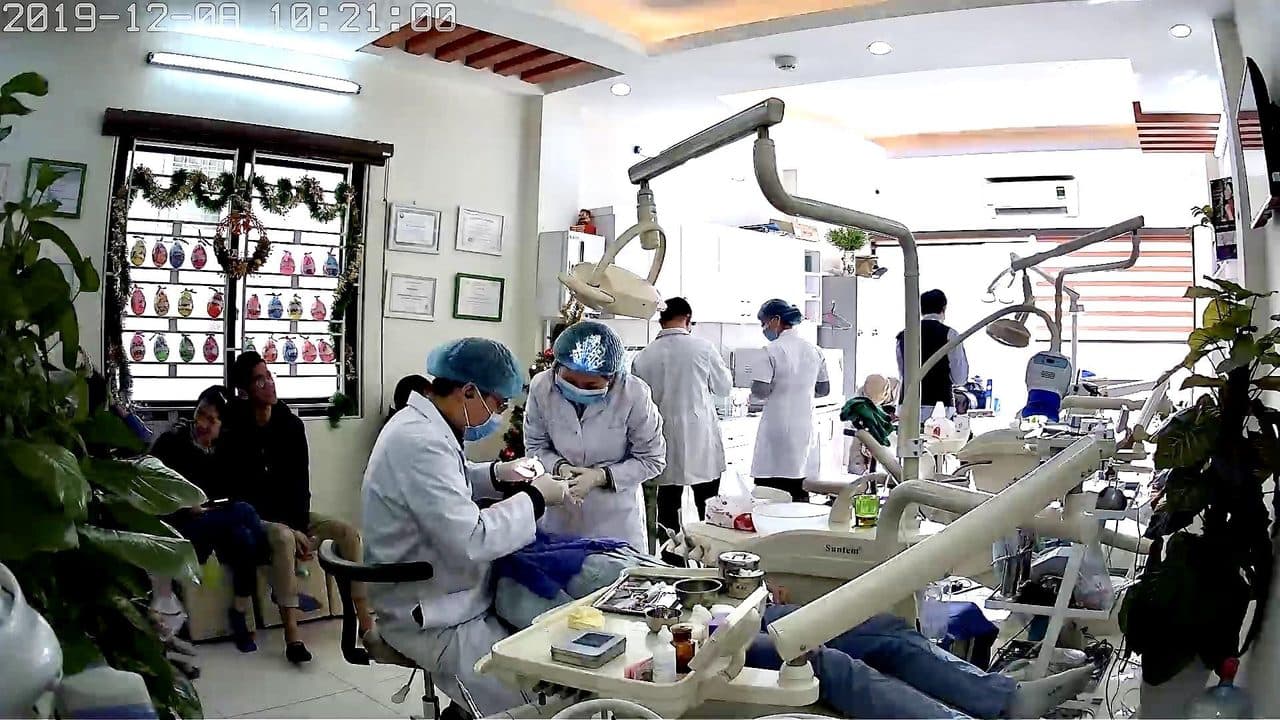
Safety, quality systems, and informed consent
Endodontic treatment is described as an effort to retain a natural tooth when the prognosis justifies the investment. We discuss why rubber dam isolation matters, why some teeth need crowns afterwards, and why retreatment or surgery becomes a conversation when healing stalls. Pain control expectations and flare-up possibilities are addressed upfront so you are not surprised at home. Periodontal therapy is framed as inflammation control and maintenance, not a one-off “deep clean.” We explain pocket depths, bleeding on probing, and how home tools complement professional visits. For grafting or crown lengthening, we connect the surgical goal to the restorative plan so you understand why sequencing matters.
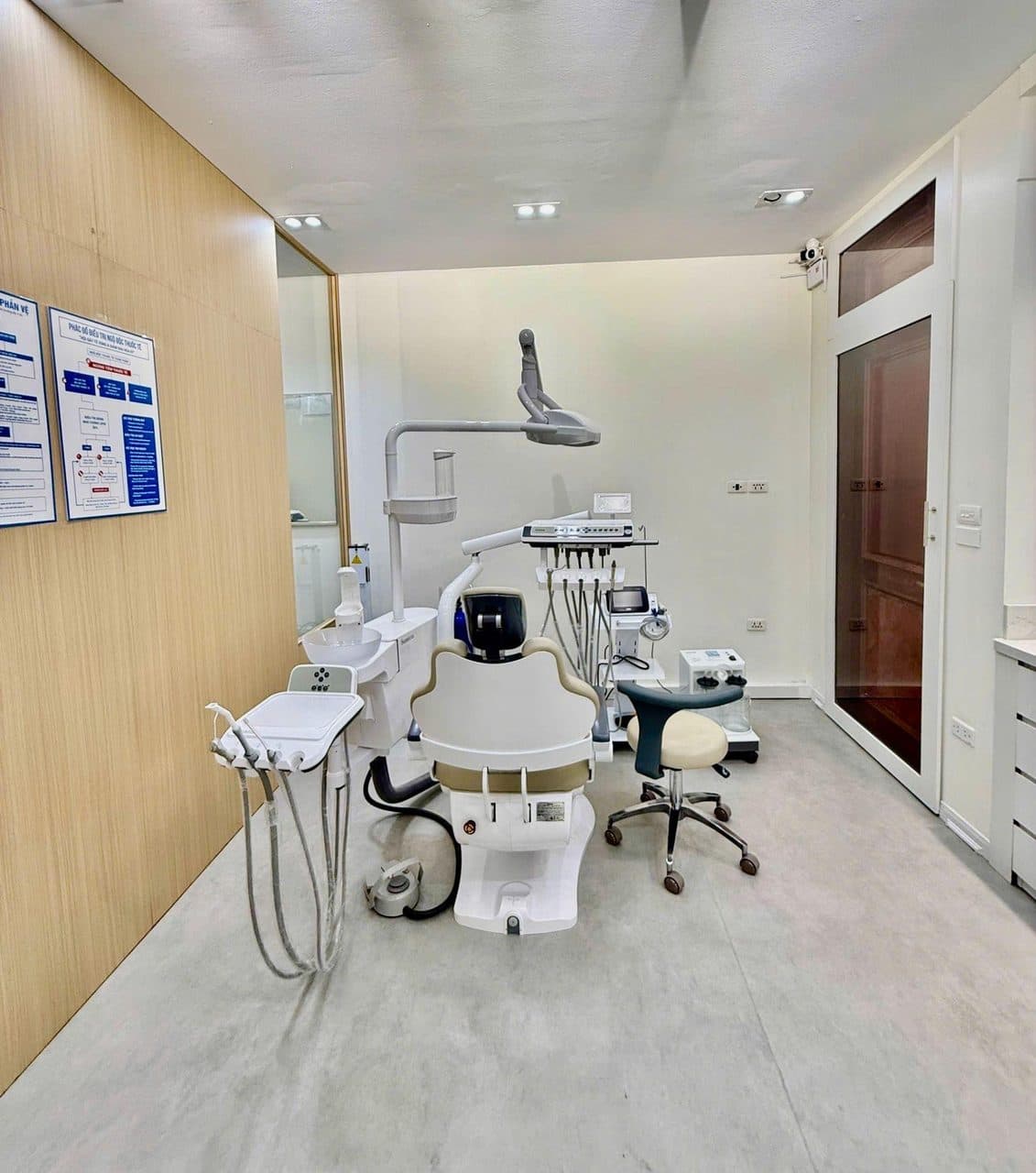
Why patients choose AM Procare in Hanoi
Immediate implant placement is presented with candidacy filters: infection status, bone walls, soft-tissue closure feasibility, and patient compliance. Immediate loading adds another layer of stability requirements that we verify rather than assume. Sterilization and infection prevention are part of visible trust. Staff training, instrument packaging, and monitoring indicators are described in patient-friendly terms so you understand what “clinical clean” means in daily practice—not only what it looks like in a brochure.
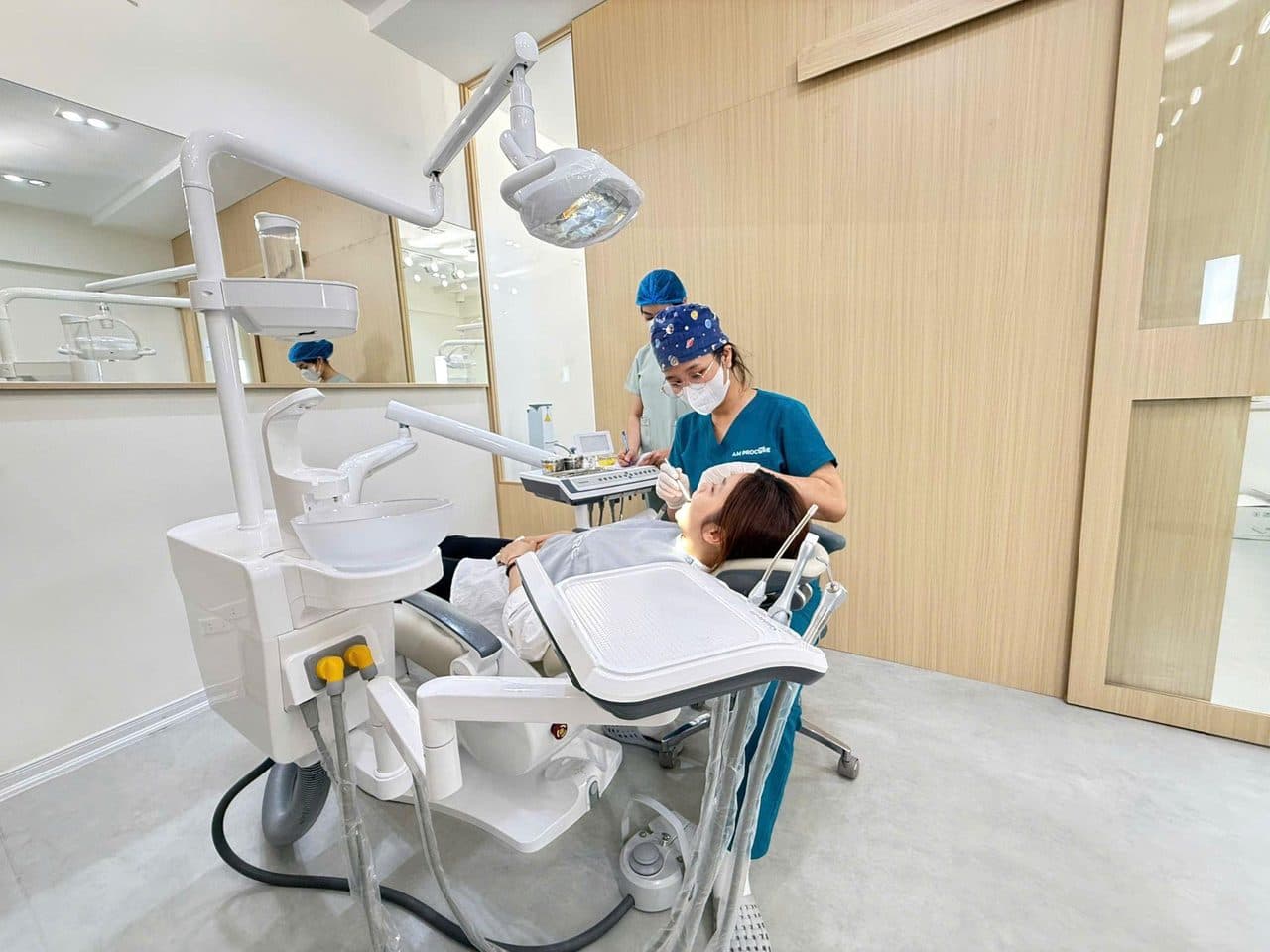
Ready to submit records or ask a specialist question?
Submit records