
AM Procare · Hanoi
Crown Lengthening
This page focuses on Crown Lengthening at AM Procare in Hanoi, Vietnam. We explain how our clinicians approach assessment, planning, and follow-up for patients who expect transparent communication, evidence-based options, and staged care. Below you will find a practical overview of what typically matters before treatment starts, how visits are coordinated, and how we support both local patients and international guests travelling for dental care.
Veneer preparation philosophies range from minimal enamel reduction to more aggressive correction of position. We explain why ultra-thin options are not universal, how gingival architecture influences margins, and why provisional phases help patients adapt before finals are bonded.
General dentistry remains the backbone of the practice: examinations that catch early lesions, conservative fillings when indicated, and periodontal therapy when inflammation threatens stability. We discuss fluoride protocols for high-risk patients, night guards when wear patterns suggest parafunction, and diet factors that matter as much as brushing technique for some individuals.
What Crown Lengthening involves in practice
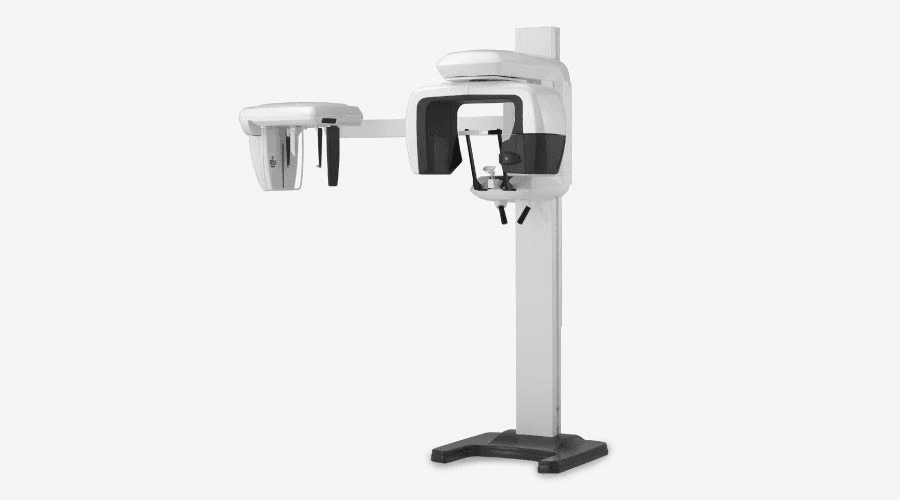
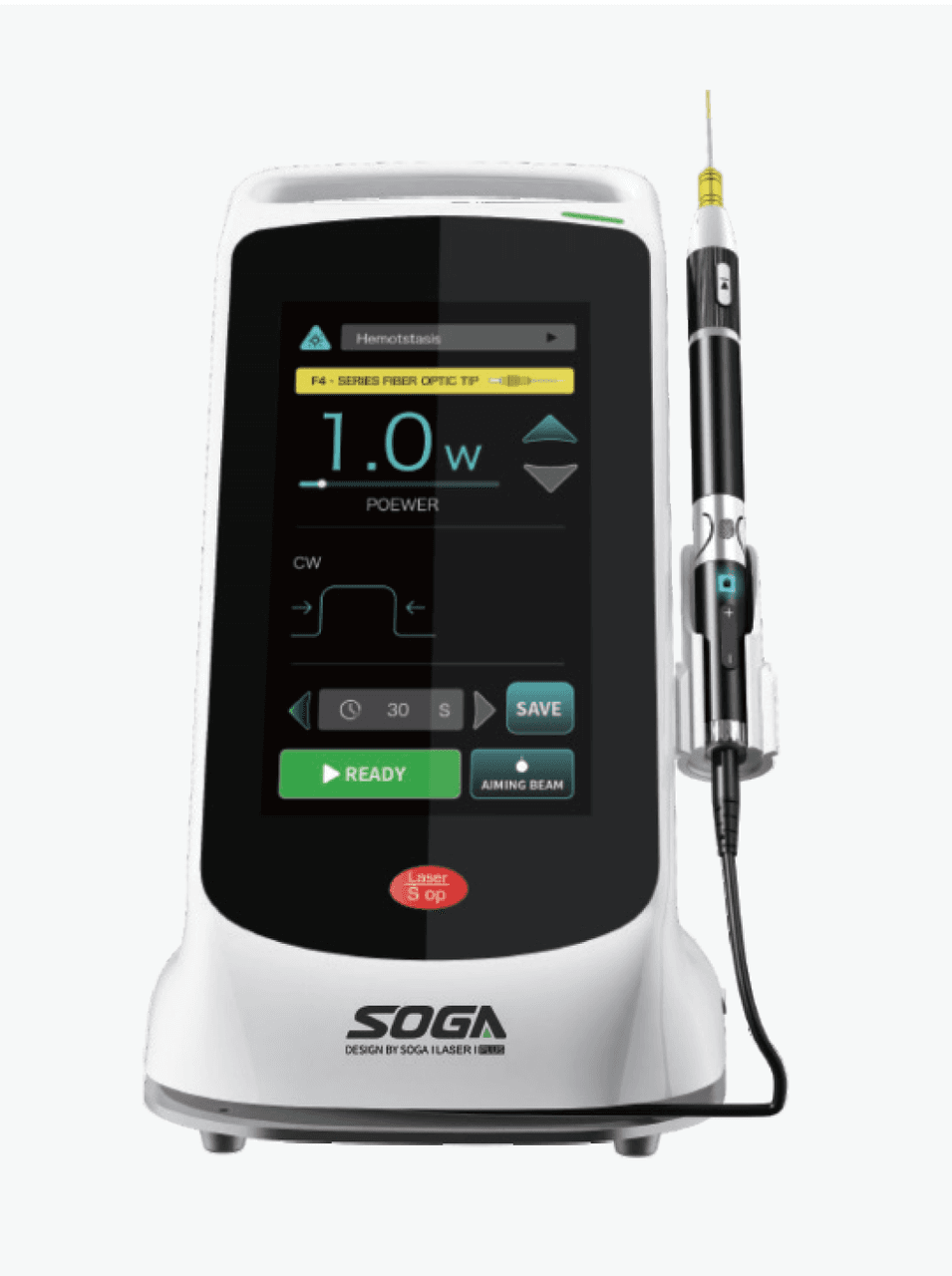
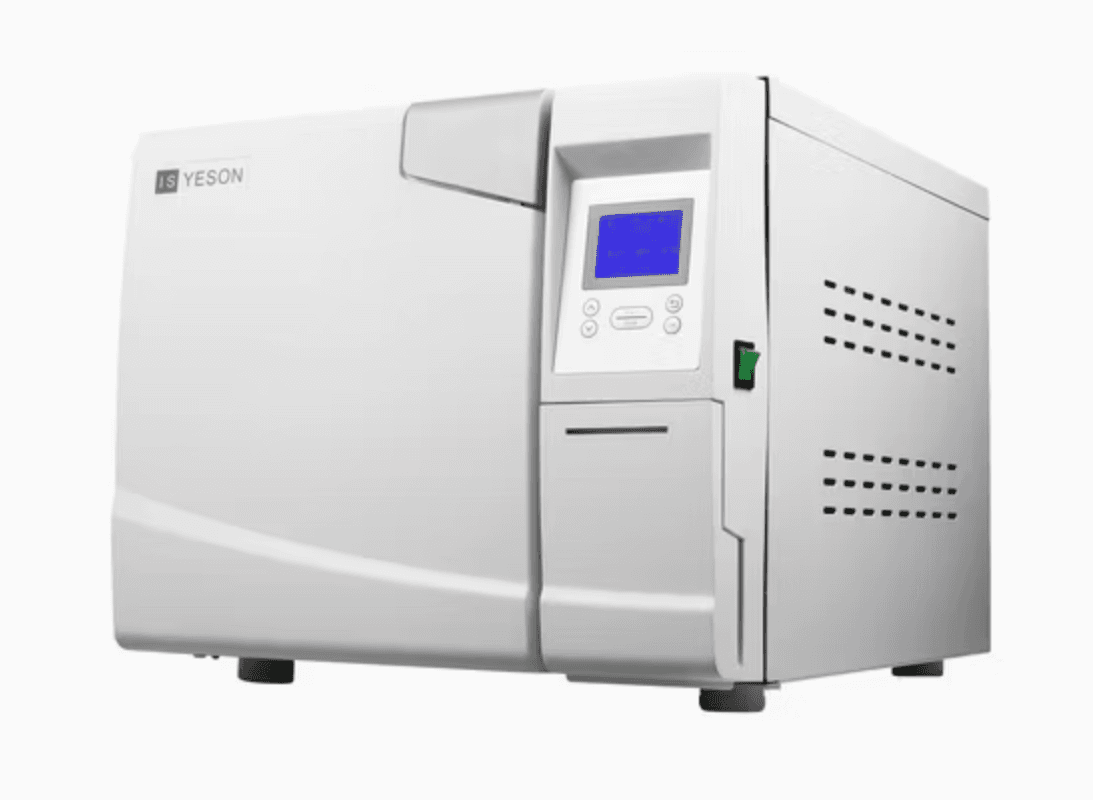
Safety is expressed through repeatable systems—sterilization monitoring, instrument traceability, and clear isolation during procedures that generate aerosols. We also think about medical history, medications, and bleeding risk as part of routine review, not as an afterthought. If you are anxious, tell us early; we can discuss pacing, local anaesthesia expectations, and what signals you can use during treatment if you need a pause. X-ray selection follows justification principles: bitewings for interproximal decay risk assessment, periapicals for localized symptoms, panoramic views for broader screening, and CBCT when three-dimensional information changes surgical or implant planning. We discuss radiation exposure in context and why repeat imaging may be avoided when recent films exist.
How we plan your visit and follow-up
Digital smile design is positioned as a communication tool: facial references, proportions, and mock-ups guide discussion, but biology and lab feasibility still govern final plans. We avoid guaranteeing pixel-perfect outcomes without clinical try-in phases. Endodontic treatment is described as an effort to retain a natural tooth when the prognosis justifies the investment. We discuss why rubber dam isolation matters, why some teeth need crowns afterwards, and why retreatment or surgery becomes a conversation when healing stalls. Pain control expectations and flare-up possibilities are addressed upfront so you are not surprised at home.
Safety, quality systems, and informed consent
Gallery and testimonial pages stress consent and authenticity. Clinical photography is shown to educate, not to shame, and before-and-after narratives include variability reminders because biology differs between individuals. Sports dentistry includes mouthguard thickness choices and timing relative to orthodontic appliances. We discuss emergency management of avulsed teeth at a high level and refer to acute care when trauma involves fractures beyond teeth alone.
Why patients choose AM Procare in Hanoi
TMD complaints are triaged carefully: joint sounds alone are not always pathologic, but locking, limited opening, or acute trauma change urgency. We coordinate splints, physiotherapy referrals, or imaging when red flags appear rather than offering irreversible bite changes first. Children’s and teens’ dentistry, when within scope, is discussed with guardians using growth-aware language: fluoride varnish indications, sealant timing, and sports guard considerations. For adults, we focus on periodontal risk, restorative wear, and how systemic conditions such as diabetes can alter healing trajectories.
Ready to submit records or ask a specialist question?
Submit records