
AM Procare · Hanoi
Deep Cleaning
- 1
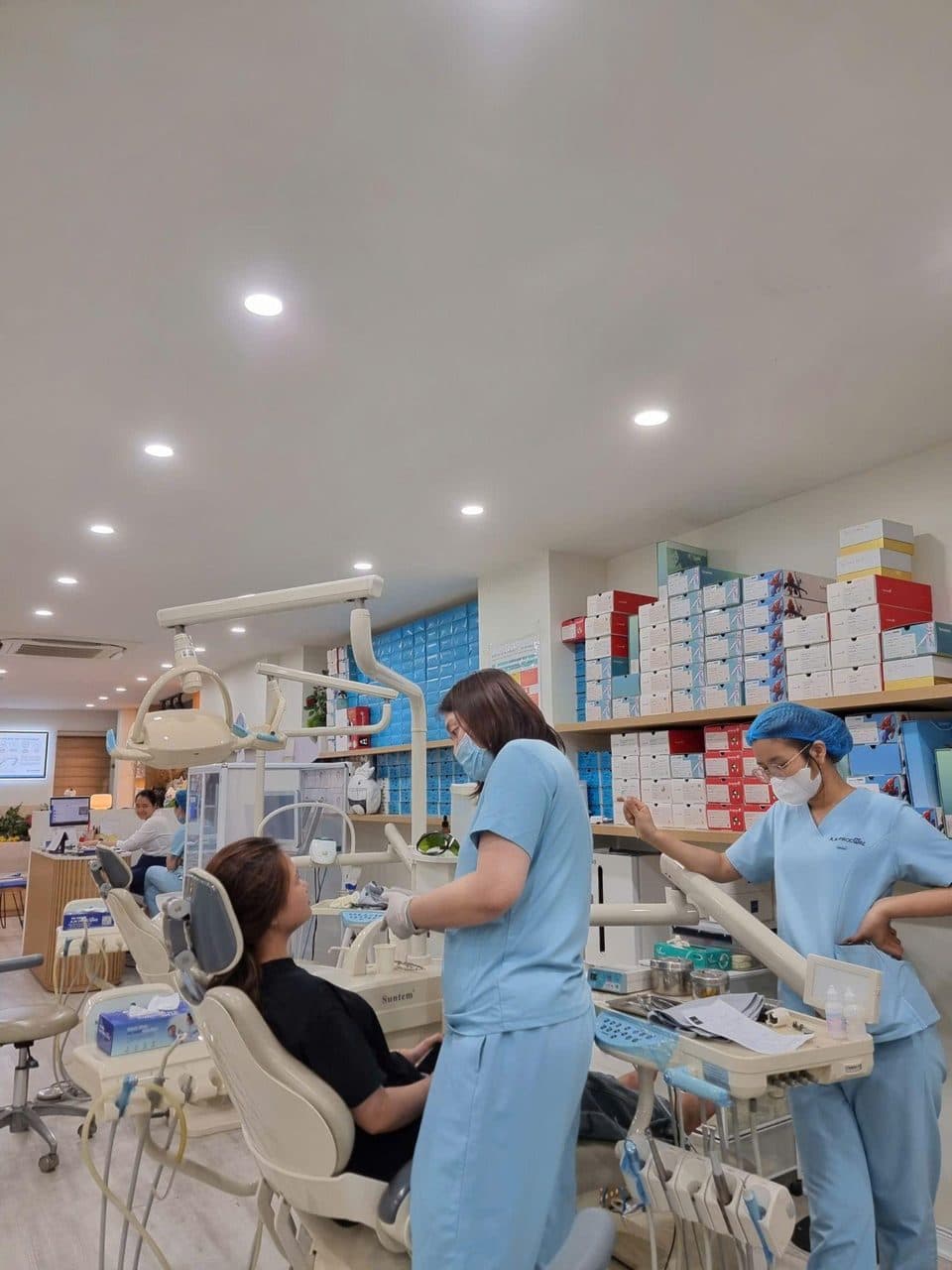
What Deep Cleaning involves in practice
Sports dentistry includes mouthguard thickness choices and timing relative to orthodontic appliances. We discuss emergency management of avulsed teeth at a high level and refer to acute care when trauma involves fractures beyond teeth alone. Crown materials—zirconia, lithium disilicate, layered ceramics—are matched to bite forces, aesthetic demands, and opposing dentition. We warn about abrasive wear pairs and discuss occlusal adjustments as part of delivery, not as an afterthought when the anaesthetic wears off.
- 2
How we plan your visit and follow-up
General dentistry remains the backbone of the practice: examinations that catch early lesions, conservative fillings when indicated, and periodontal therapy when inflammation threatens stability. We discuss fluoride protocols for high-risk patients, night guards when wear patterns suggest parafunction, and diet factors that matter as much as brushing technique for some individuals. Periodontal therapy is framed as inflammation control and maintenance, not a one-off “deep clean.” We explain pocket depths, bleeding on probing, and how home tools complement professional visits. For grafting or crown lengthening, we connect the surgical goal to the restorative plan so you understand why sequencing matters.
- 3
Safety, quality systems, and informed consent
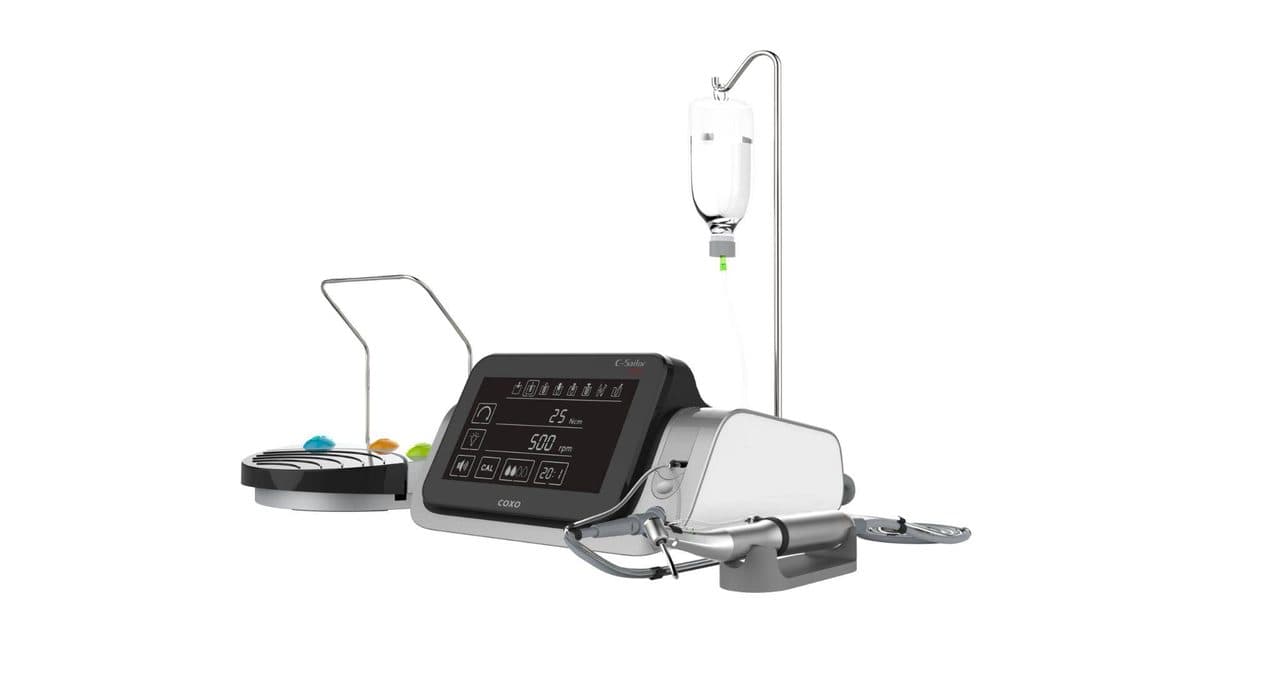
Zygomatic implants appear only after conventional pathways are understood. We emphasise surgical experience, imaging requirements, and anaesthesia settings appropriate to advanced cases. Patients deserve clarity about complexity fees and hospital-grade support when indicated. Whitening chemistry is explained as concentration-dependent sensitivity trade-offs. In-office sessions can jump-start shade change; at-home trays refine stability over time. Existing restorations do not lighten like enamel, so patchwork plans are discussed before you invest in visible anterior work.
- 4
Why patients choose AM Procare in Hanoi
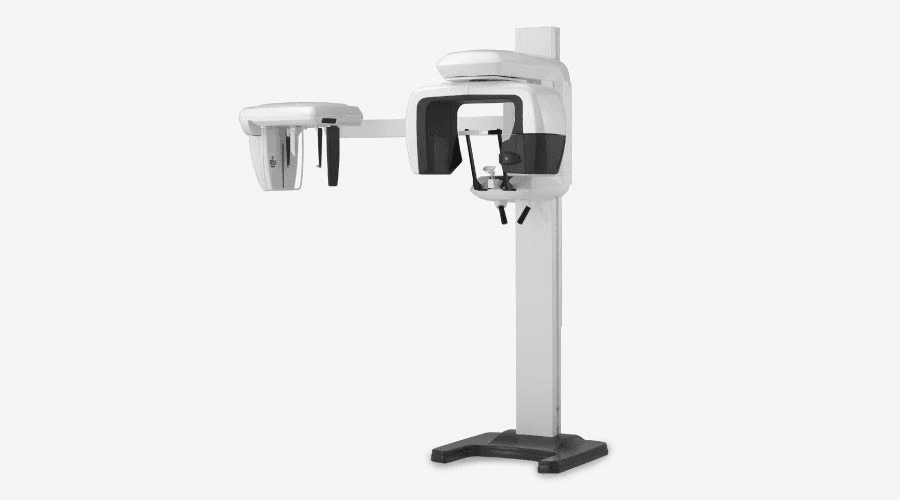
Technology is an enabler, not a gimmick. Intraoral scans reduce impression discomfort for many patients; CBCT supports implant planning; digital photography helps communication. We still explain clinical limits: a beautiful scan does not replace biological diagnosis, and software plans require human judgement before any irreversible step. Sleep-disordered breathing screening is not claimed as a dental cure, but dentists sometimes observe signs that merit medical referral. We stay within professional scope while documenting tooth wear patterns, tongue scalloping, or airway-related symptoms patients volunteer. Collaboration with physicians remains the standard when sleep apnoea is suspected.
Ready to submit records or ask a specialist question?
Submit records