
AM Procare · Hanoi
Gingival Graft
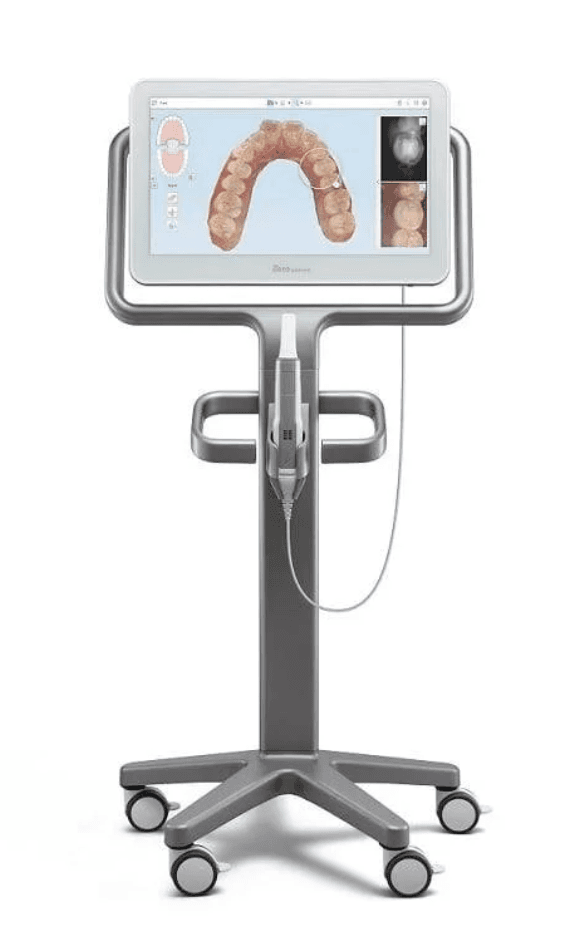
This page focuses on Gingival Graft at AM Procare in Hanoi, Vietnam. We explain how our clinicians approach assessment, planning, and follow-up for patients who expect transparent communication, evidence-based options, and staged care. Below you will find a practical overview of what typically matters before treatment starts, how visits are coordinated, and how we support both local patients and international guests travelling for dental care. AM Procare’s clinical culture is rooted in structured documentation and conservative judgement. We prefer to measure twice: periodontal charting when gums influence outcomes, radiographs when pathology or depth cannot be assessed visually, and digital records when a case spans several visits or several clinicians. This discipline is especially important for international guests who may only be in Hanoi for a limited window and need a realistic timetable rather than an optimistic guess. Privacy policies and data handling are treated seriously: what we collect for treatment versus marketing, how long records are retained under local practice norms, and how you can request corrections. We avoid burying important rights under decorative legal prose.
What Gingival Graft involves in practice
Sleep-disordered breathing screening is not claimed as a dental cure, but dentists sometimes observe signs that merit medical referral. We stay within professional scope while documenting tooth wear patterns, tongue scalloping, or airway-related symptoms patients volunteer. Collaboration with physicians remains the standard when sleep apnoea is suspected. TMD complaints are triaged carefully: joint sounds alone are not always pathologic, but locking, limited opening, or acute trauma change urgency. We coordinate splints, physiotherapy referrals, or imaging when red flags appear rather than offering irreversible bite changes first.
How we plan your visit and follow-up
Halitosis workups start with periodontal and tongue-coating causes before exotic systemic explanations. We coach on interdental cleaning tools and professional debridement before promising miracle rinses. Endodontic treatment is described as an effort to retain a natural tooth when the prognosis justifies the investment. We discuss why rubber dam isolation matters, why some teeth need crowns afterwards, and why retreatment or surgery becomes a conversation when healing stalls. Pain control expectations and flare-up possibilities are addressed upfront so you are not surprised at home.
Safety, quality systems, and informed consent
Gallery and testimonial pages stress consent and authenticity. Clinical photography is shown to educate, not to shame, and before-and-after narratives include variability reminders because biology differs between individuals. X-ray selection follows justification principles: bitewings for interproximal decay risk assessment, periapicals for localized symptoms, panoramic views for broader screening, and CBCT when three-dimensional information changes surgical or implant planning. We discuss radiation exposure in context and why repeat imaging may be avoided when recent films exist.
Why patients choose AM Procare in Hanoi
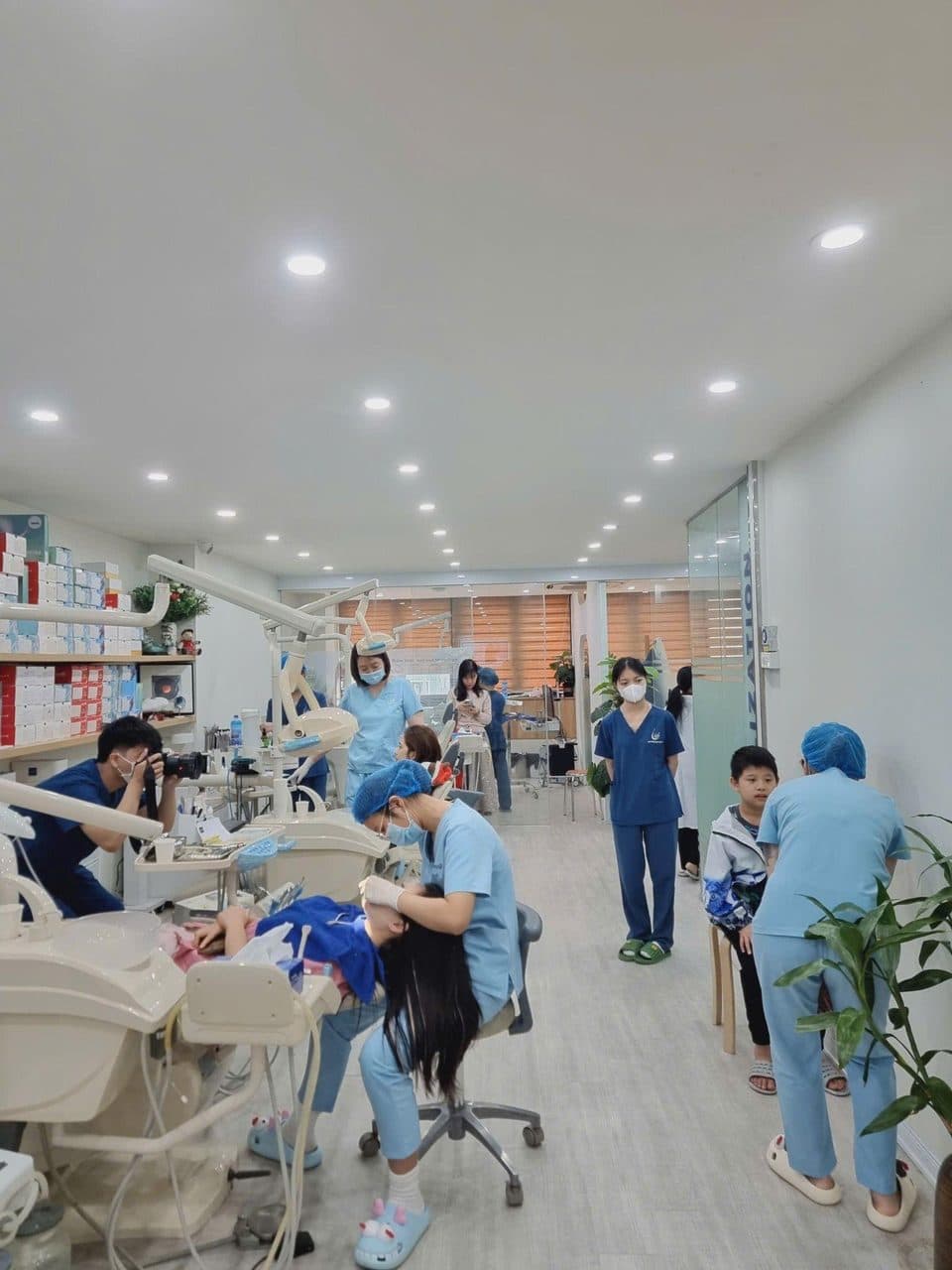
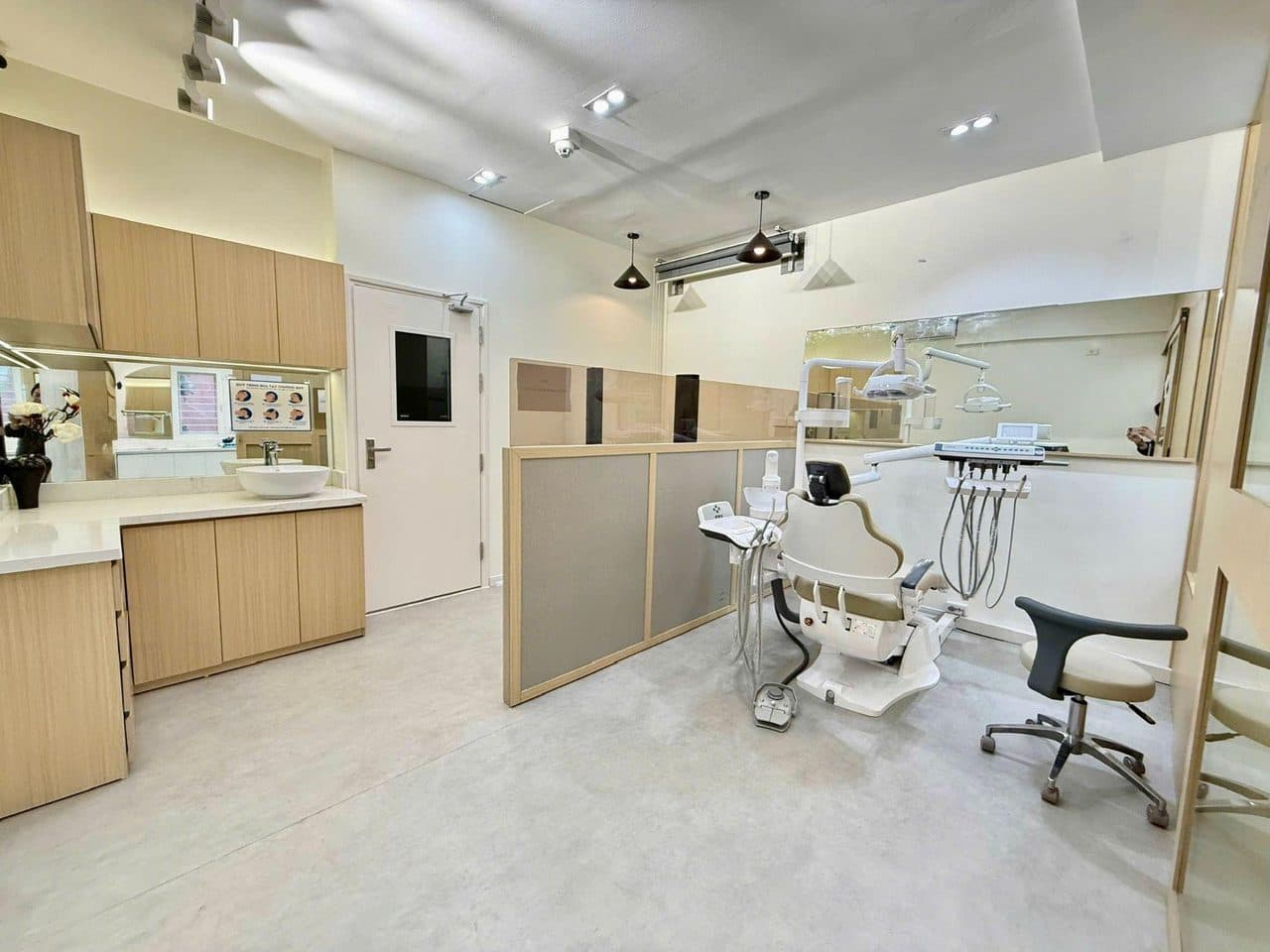
Fees and warranty discussions are handled with transparency: what is included in a quote, what might change if intraoperative findings differ, and how maintenance visits protect warranty conditions. Promotions, when available, are presented with eligibility notes so there is no confusion at the front desk. Sterilization and infection prevention are part of visible trust. Staff training, instrument packaging, and monitoring indicators are described in patient-friendly terms so you understand what “clinical clean” means in daily practice—not only what it looks like in a brochure.
Ready to submit records or ask a specialist question?
Submit records