
AM Procare · Hanoi
Gingivectomy
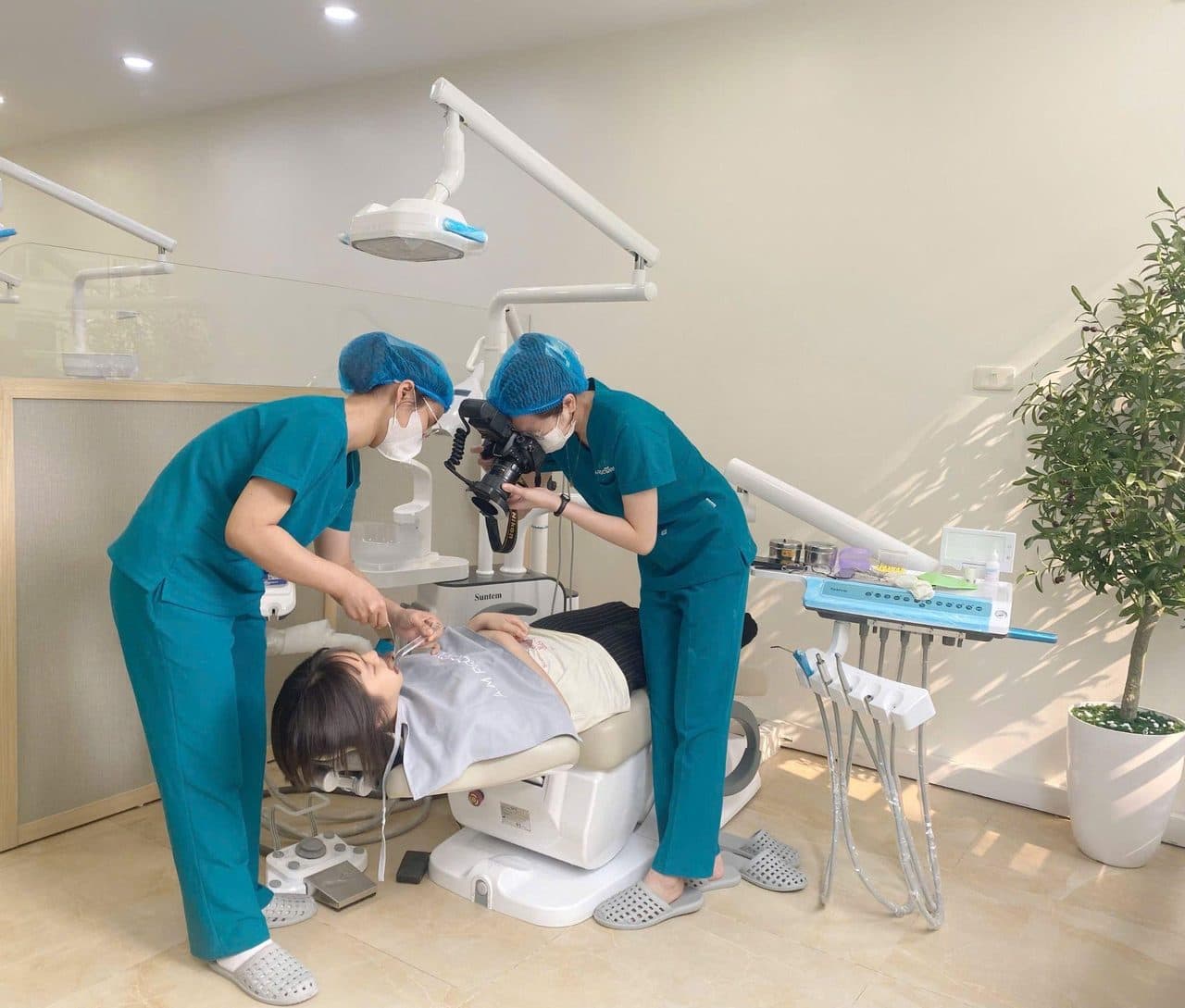
What Gingivectomy involves in practice
We treat every appointment as a planning conversation, not a sales pitch. That means your clinician explains what the photographs and scans actually show, which problems are urgent, which can be monitored, and what would change if you postponed treatment. When multiple specialties are involved, we sequence care so that each step protects the next—periodontal health before heavy restorative work, stable occlusion before aggressive cosmetic changes, and infection control before surgical exposure. Prosthodontic options—bridges, dentures, and implant-supported restorations—are compared on dimensions patients actually feel: speech, chewing efficiency, bulk in the mouth, and cleaning routines. We discuss material trade-offs for metal frameworks versus zirconia or acrylic bases, and we set expectations for relines, repairs, and eventual replacement intervals.
How we plan your visit and follow-up
Sleep-disordered breathing screening is not claimed as a dental cure, but dentists sometimes observe signs that merit medical referral. We stay within professional scope while documenting tooth wear patterns, tongue scalloping, or airway-related symptoms patients volunteer. Collaboration with physicians remains the standard when sleep apnoea is suspected. AM Procare’s clinical culture is rooted in structured documentation and conservative judgement. We prefer to measure twice: periodontal charting when gums influence outcomes, radiographs when pathology or depth cannot be assessed visually, and digital records when a case spans several visits or several clinicians. This discipline is especially important for international guests who may only be in Hanoi for a limited window and need a realistic timetable rather than an optimistic guess.
Safety, quality systems, and informed consent
Safety is expressed through repeatable systems—sterilization monitoring, instrument traceability, and clear isolation during procedures that generate aerosols. We also think about medical history, medications, and bleeding risk as part of routine review, not as an afterthought. If you are anxious, tell us early; we can discuss pacing, local anaesthesia expectations, and what signals you can use during treatment if you need a pause. Endodontic treatment is described as an effort to retain a natural tooth when the prognosis justifies the investment. We discuss why rubber dam isolation matters, why some teeth need crowns afterwards, and why retreatment or surgery becomes a conversation when healing stalls. Pain control expectations and flare-up possibilities are addressed upfront so you are not surprised at home.
Why patients choose AM Procare in Hanoi
Career and corporate programmes are built around predictable scheduling and clear reporting for HR teams. Insurance sections emphasise documentation: what insurers typically need, what patients should bring, and how claims timelines differ by provider. Orthodontic care is described as a biological process: teeth move through bone remodelling, and retention is part of the outcome—not an optional extra. Adults often ask about clear aligners versus braces; we compare predictability for their specific malocclusion, oral hygiene risks, and the importance of periodontal screening before appliances are placed. We also coordinate with jaw surgery pathways when skeletal discrepancies dominate the problem.
Ready to submit records or ask a specialist question?
Submit records