
AM Procare · Hanoi
Hdt Tv
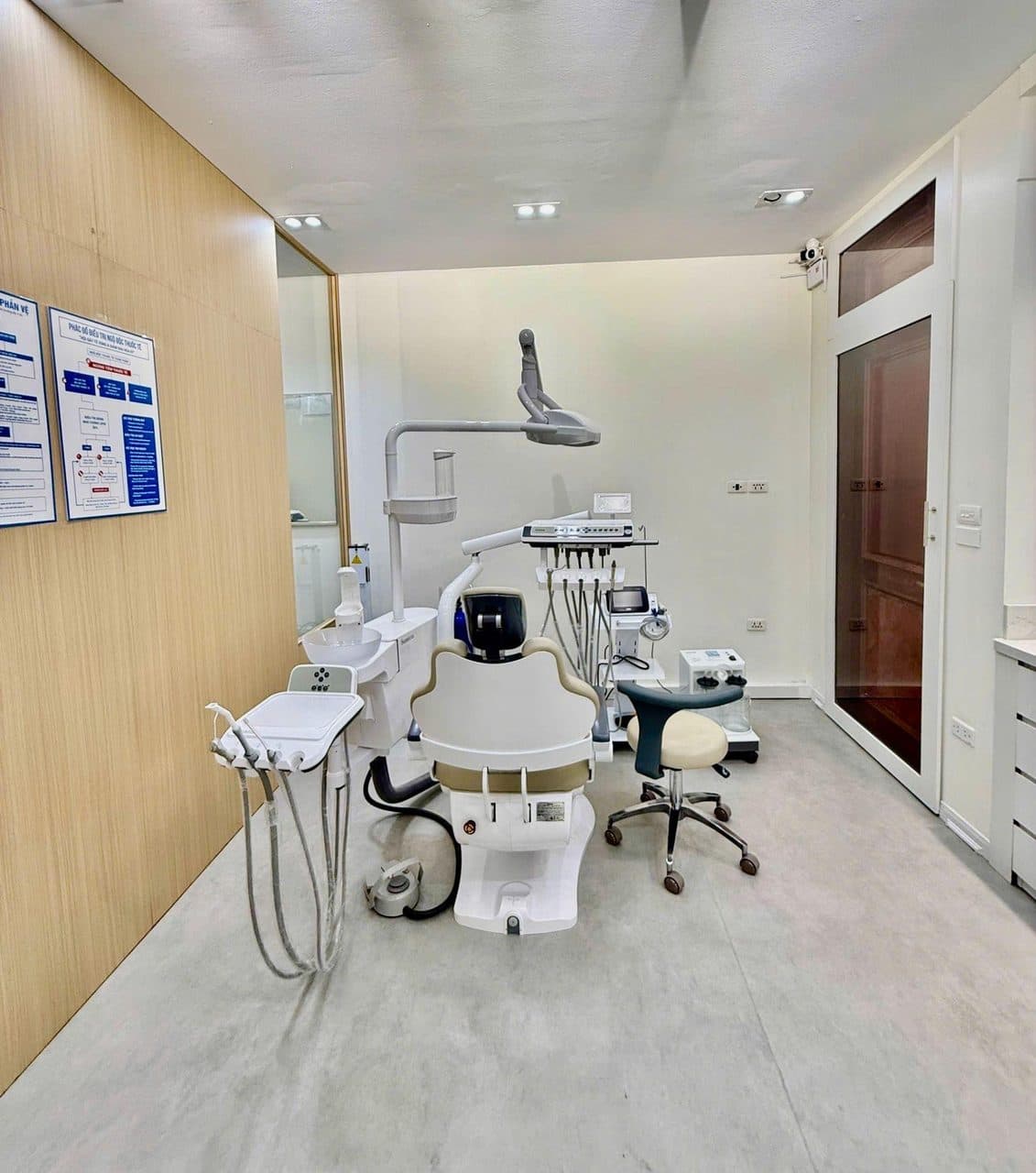
What Hdt Tv involves in practice
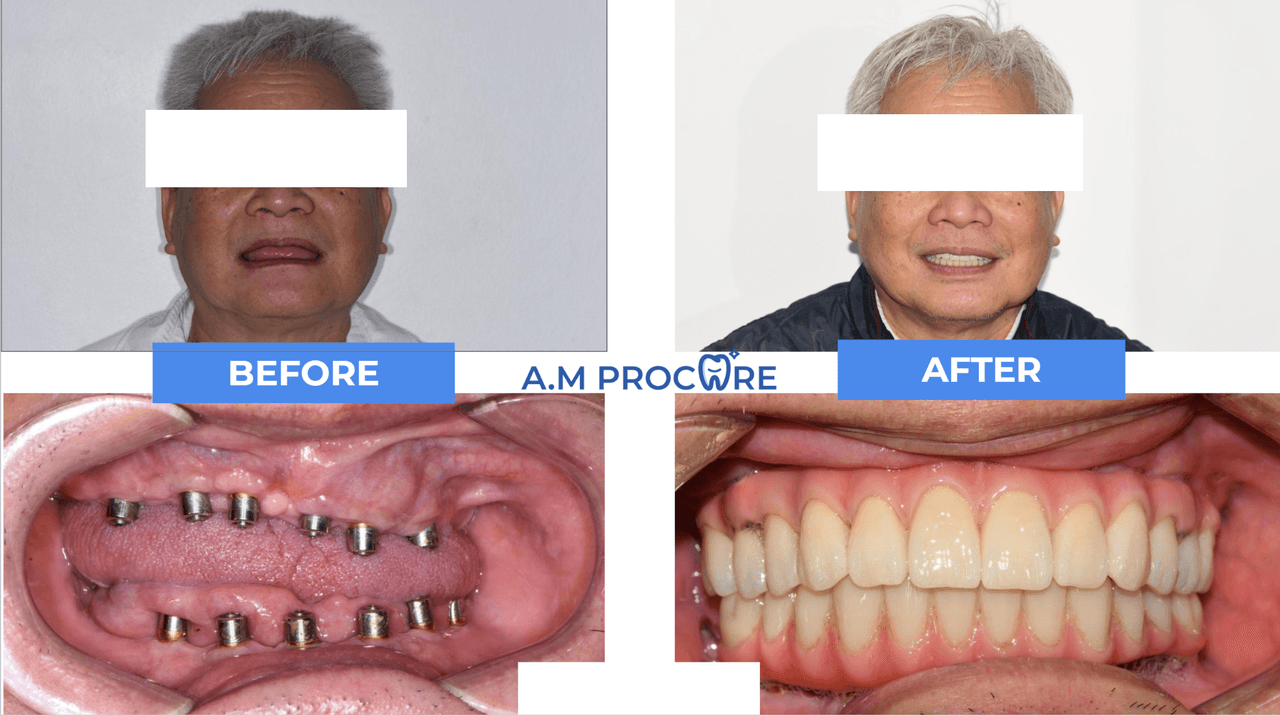
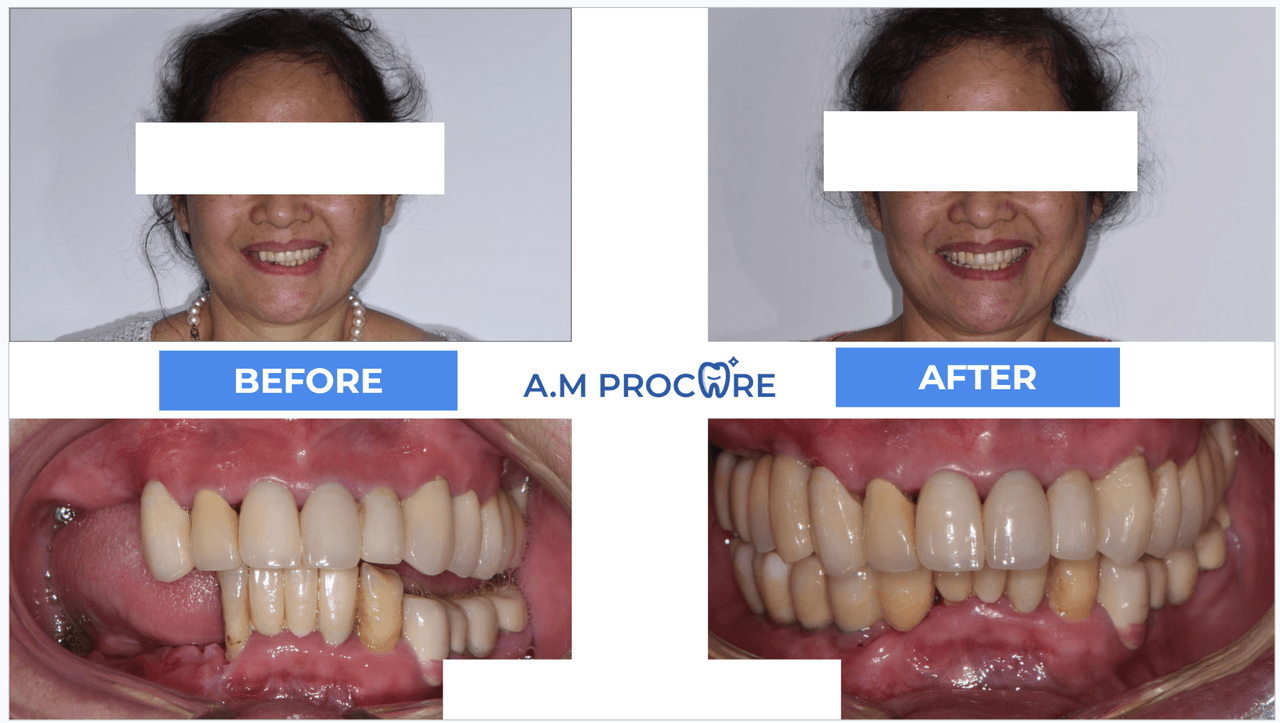
All-on-4 and full-arch concepts are described with prosthetic maintenance realism: hygiene access under bridges, scheduled recalls, and component wear. We resist one-number pricing narratives that ignore bone quality, final teeth material, and long-term servicing. Oral surgery conversations cover informed consent in plain language: what numbness feels like, what swelling timeline to expect, and what symptoms should trigger a call. For third molars, we explain impaction types and why imaging sometimes changes the plan on the day. For jaw surgery referrals, we emphasise multidisciplinary planning and realistic recovery arcs rather than social-media shortcuts.
How we plan your visit and follow-up
AM Procare’s clinical culture is rooted in structured documentation and conservative judgement. We prefer to measure twice: periodontal charting when gums influence outcomes, radiographs when pathology or depth cannot be assessed visually, and digital records when a case spans several visits or several clinicians. This discipline is especially important for international guests who may only be in Hanoi for a limited window and need a realistic timetable rather than an optimistic guess. Safety is expressed through repeatable systems—sterilization monitoring, instrument traceability, and clear isolation during procedures that generate aerosols. We also think about medical history, medications, and bleeding risk as part of routine review, not as an afterthought. If you are anxious, tell us early; we can discuss pacing, local anaesthesia expectations, and what signals you can use during treatment if you need a pause.
Safety, quality systems, and informed consent
Inlays and onlays preserve tooth structure compared with full crowns when remaining walls are strong. We compare ceramic versus composite materials for wear compatibility and repairability, especially in posterior teeth under load. International patients receive practical logistics: how to share records securely, how to schedule compression visits, and how to plan accommodation near the branch you will attend. We emphasise realistic healing windows before you fly, especially after surgery or extensive restorative work, and we discuss emergency contact expectations across time zones when relevant.
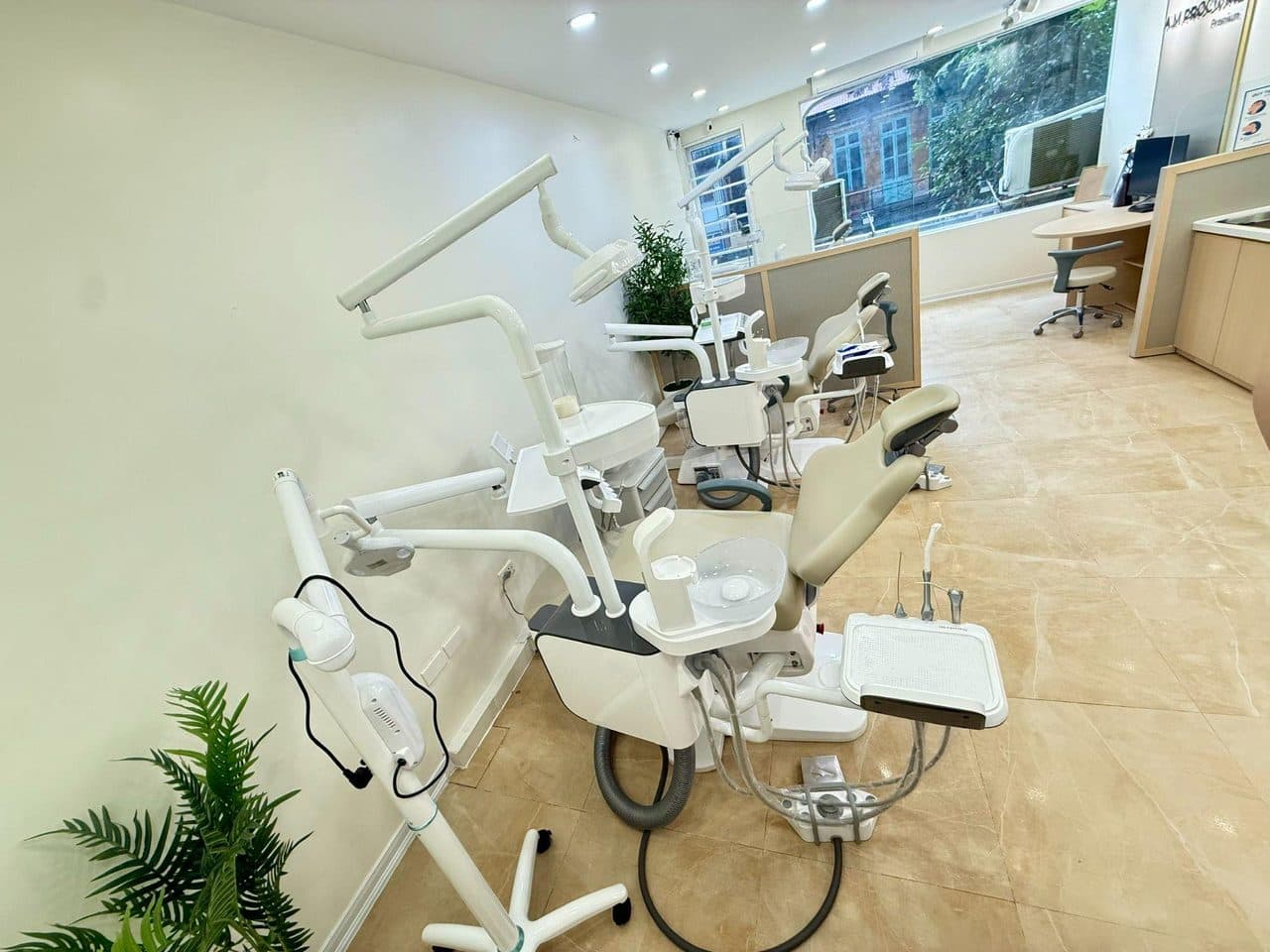
Why patients choose AM Procare in Hanoi
Orthodontic care is described as a biological process: teeth move through bone remodelling, and retention is part of the outcome—not an optional extra. Adults often ask about clear aligners versus braces; we compare predictability for their specific malocclusion, oral hygiene risks, and the importance of periodontal screening before appliances are placed. We also coordinate with jaw surgery pathways when skeletal discrepancies dominate the problem. Sterilization and infection prevention are part of visible trust. Staff training, instrument packaging, and monitoring indicators are described in patient-friendly terms so you understand what “clinical clean” means in daily practice—not only what it looks like in a brochure.
Ready to submit records or ask a specialist question?
Submit records