
AM Procare · Hanoi
News Magazines
What News Magazines involves in practice
Cosmetic dentistry at AM Procare is framed as function-first aesthetics. Colour and shape should be stable against chewing forces, cleansable at the gum line, and compatible with your bite. When we discuss veneers, crowns, whitening, or bonding, we explain wear characteristics, repairability, and how future maintenance differs from “set-and-forget” marketing language you may have seen online. Halitosis workups start with periodontal and tongue-coating causes before exotic systemic explanations. We coach on interdental cleaning tools and professional debridement before promising miracle rinses.
How we plan your visit and follow-up
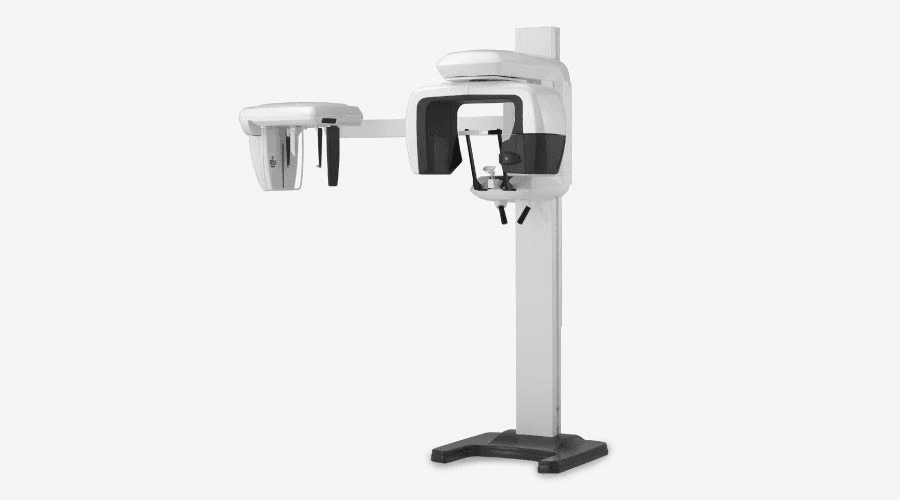
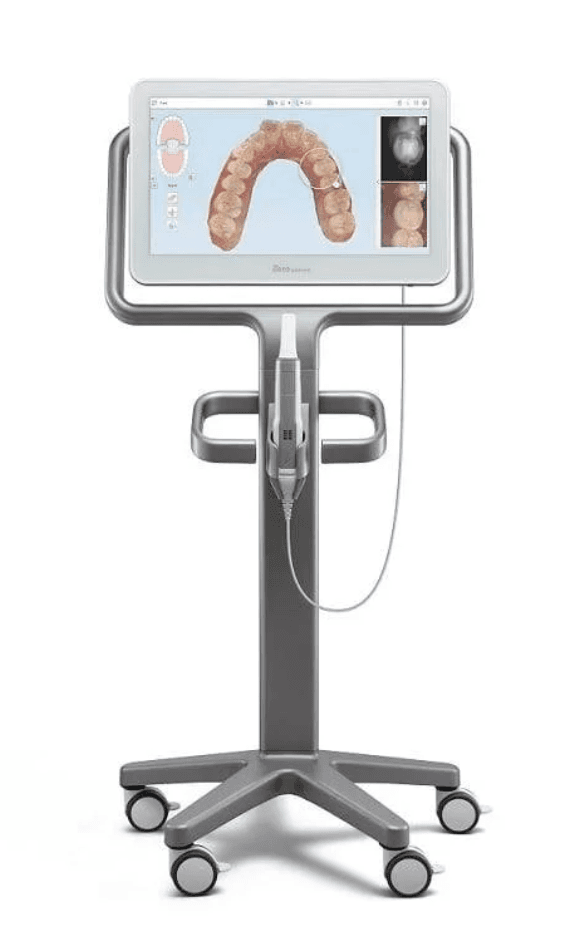
X-ray selection follows justification principles: bitewings for interproximal decay risk assessment, periapicals for localized symptoms, panoramic views for broader screening, and CBCT when three-dimensional information changes surgical or implant planning. We discuss radiation exposure in context and why repeat imaging may be avoided when recent films exist. Technology is an enabler, not a gimmick. Intraoral scans reduce impression discomfort for many patients; CBCT supports implant planning; digital photography helps communication. We still explain clinical limits: a beautiful scan does not replace biological diagnosis, and software plans require human judgement before any irreversible step.

Safety, quality systems, and informed consent
Inlays and onlays preserve tooth structure compared with full crowns when remaining walls are strong. We compare ceramic versus composite materials for wear compatibility and repairability, especially in posterior teeth under load. Snoring appliances prescribed within dental scope require dental arch conditions suitable for protrusive devices. We explain side effects such as morning occlusal changes and why sleep tests may be prerequisite depending on jurisdiction and medical history.
Why patients choose AM Procare in Hanoi
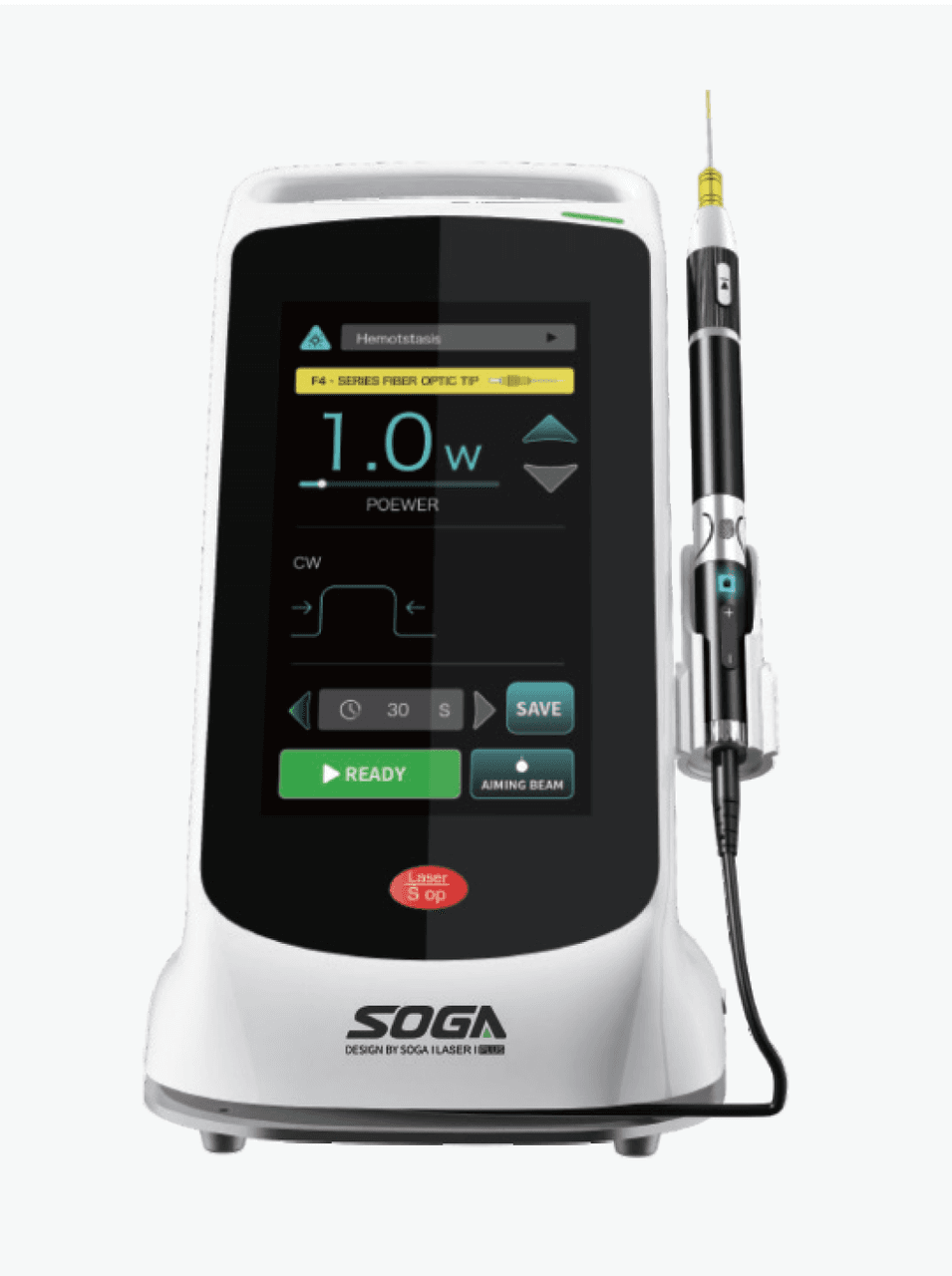
Oral surgery conversations cover informed consent in plain language: what numbness feels like, what swelling timeline to expect, and what symptoms should trigger a call. For third molars, we explain impaction types and why imaging sometimes changes the plan on the day. For jaw surgery referrals, we emphasise multidisciplinary planning and realistic recovery arcs rather than social-media shortcuts. Endodontic treatment is described as an effort to retain a natural tooth when the prognosis justifies the investment. We discuss why rubber dam isolation matters, why some teeth need crowns afterwards, and why retreatment or surgery becomes a conversation when healing stalls. Pain control expectations and flare-up possibilities are addressed upfront so you are not surprised at home.
Ready to submit records or ask a specialist question?
Submit records